
Flower Mound Garage Door Guide
When a Spring Goes in Cold Weather in Flower Mound
Flower Mound homes built mostly between 1959 and 2014, centered near 2000, share the same aging torsion springs. Here's what fails, why, and when to call.
- Licensed & Insured
- Same-Area Service Calls
- Upfront Pricing
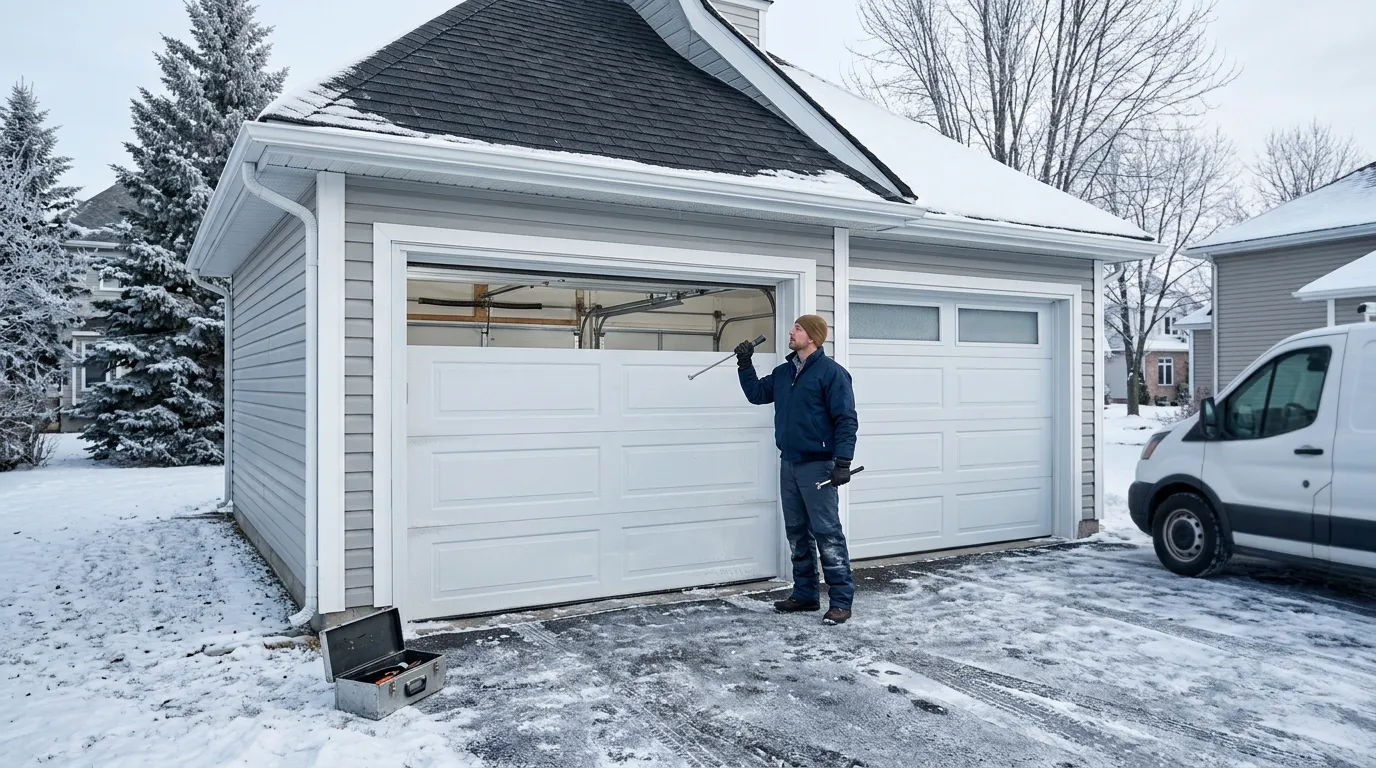
When It Stops Being a DIY Job
If the door won't move and you can see a gap in the coiled spring above the opening, stop there. That's a broken torsion spring, and it's under enough stored tension to break bones if you unwind it wrong.
Most houses in Flower Mound went up between 1959 and 2014, with the bulk of that build clustered right around 2000, so a lot of these springs are original equipment closing in on twenty-five years of cycling open and shut. That age is exactly the point where cold snaps finish off what daily use started.
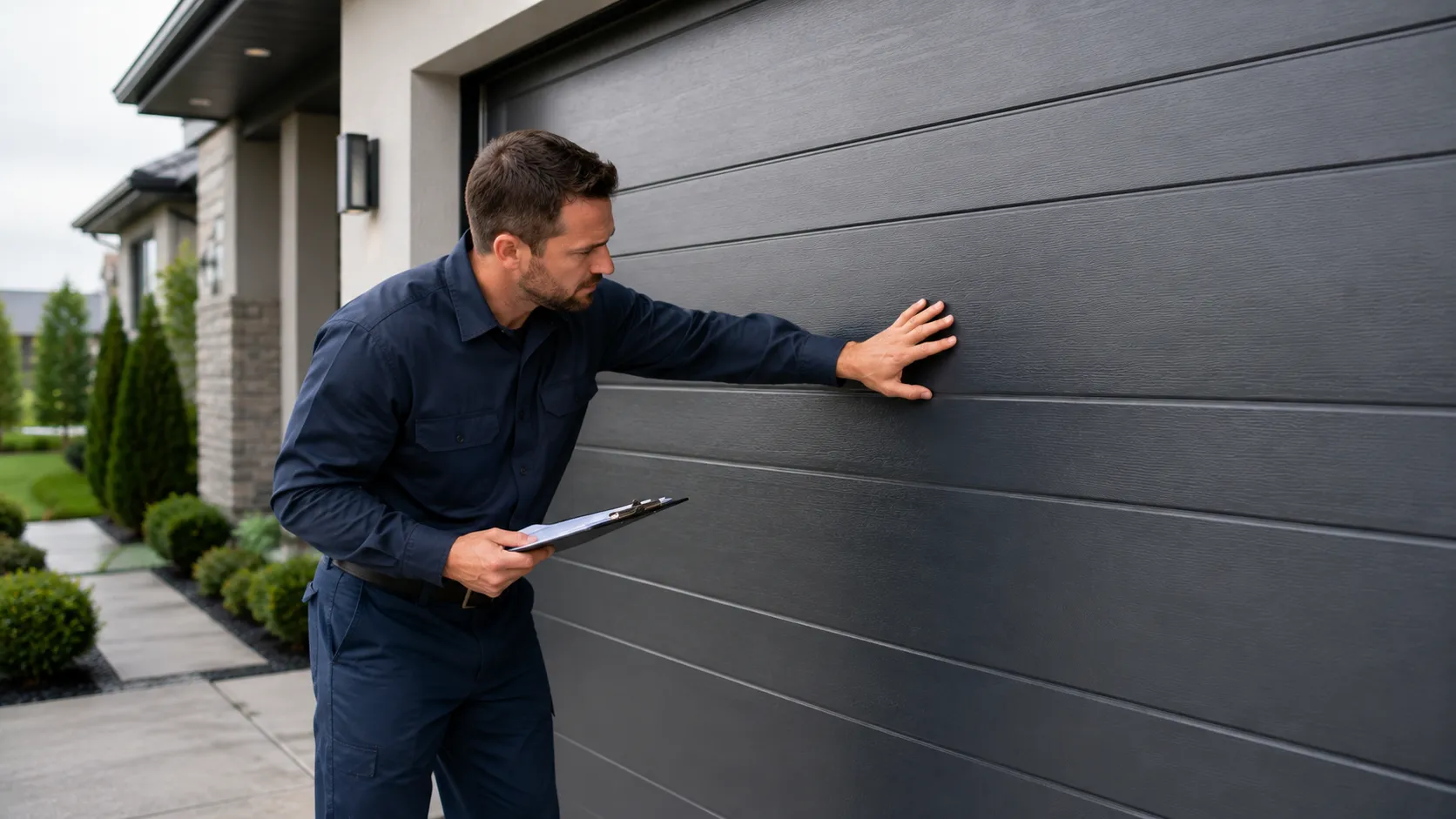
A cracked panel, a bent track, or a roller that's popped its groove - those you can sometimes work around for a day or two. A broken spring, you can't. The door is either counterbalanced or it's dead weight, and an opener motor was never built to lift dead weight for long before it burns out too.
If you're standing there with a flashlight looking at a spring in two pieces, that's the line. Call it in rather than improvise a fix with a car jack or a ladder against the panel - we've seen both, and neither ends well. This isn't a job where being handy with a wrench buys you much; the tension involved is what makes it dangerous, not the mechanical complexity.
What Is Going On
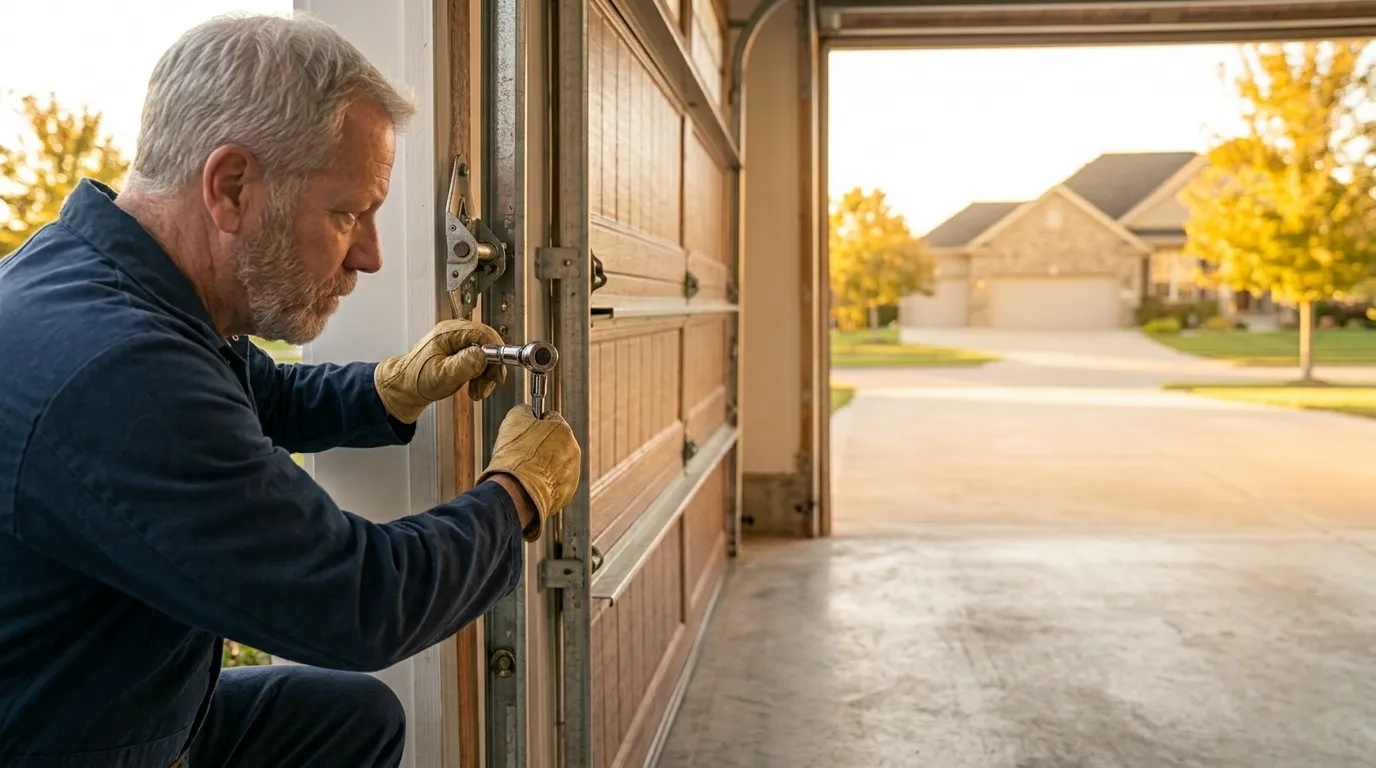
Springs fail from fatigue, not from one bad day. Every open-and-close cycle stresses the steel a little, and manufacturers rate torsion springs for a set number of cycles before they're expected to go. Because so much of Flower Mound's housing stock dates to that same window around 2000, a large share of the springs out there are hitting end-of-life at roughly the same time - not because of anything the homeowner did, just because the houses were built close together in age.
Cold makes steel less forgiving right at the moment it's already near its limit. When a spring goes in cold weather, it's rarely a fluke - it's a spring that already had years of wind-and-unwind cycles behind it, and the drop in temperature was the final push, not the cause. Metal contracts slightly as it cools, and a spring sitting near the end of its rated life has less give to absorb that change.
You'll often hear it as a loud bang from the garage rather than a slow give-way. That's the coil snapping, not the door itself failing.
What Local Conditions Do
Flower Mound sits in a moderate-heat climate band, not the extreme end you'd see further south or in the desert Southwest. That matters here because it means summer isn't cooking these springs the way it would in a harsher climate - the wear is coming mostly from age and cycle count, not from months of extreme heat swelling the metal. What it does mean is that the swing between a warm afternoon and a cold night has more relative effect on a garage that isn't conditioned space to begin with.
Across the string of communities near here - Double Oak two miles off, Bartonville and Lantana around four, Copper Canyon the same - most garages share that same unconditioned setup and that same early-2000s build era. A spring that's fine at 70 degrees can be the one that lets go at 30, simply because it had less margin left to begin with. This isn't a Flower Mound-specific weather event; it's what a fatigued spring in an unheated garage does when the temperature drops, and it happens on the same kind of houses across this whole stretch of the metroplex.
Where People Go Wrong
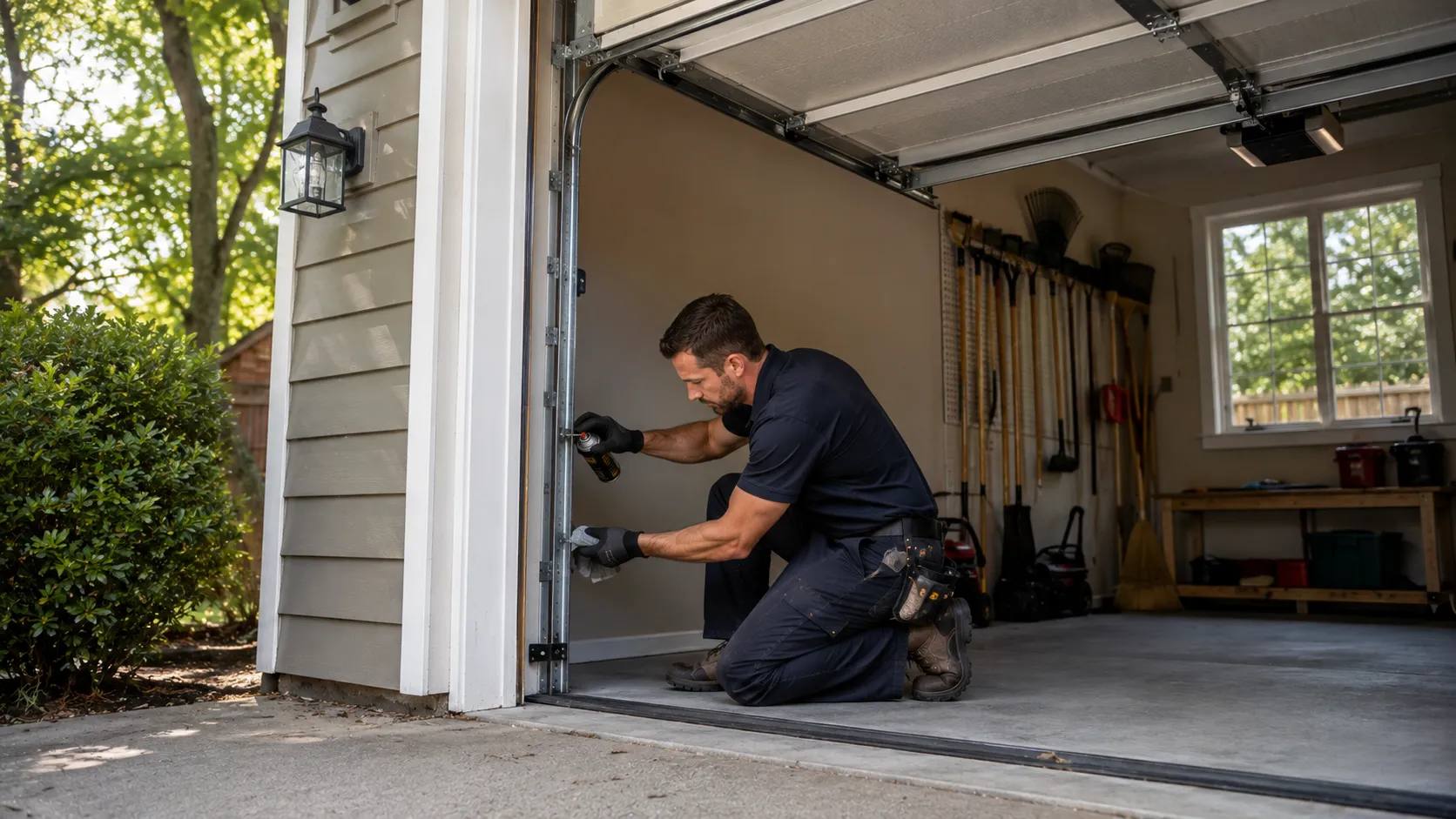
The biggest mistake we see is treating a slow, noisy door as a nuisance instead of a warning. A door that's started grinding, or one that takes a visible jolt to get moving, is telling you the spring is losing tension before it fully breaks. With roughly 63,631 owner-occupied houses across this service area, and a lot of them built in that same tight window around 2000, that early warning sign shows up on plenty of driveways every winter - and plenty of people wait until the door won't open at all.
The other common error is replacing one spring on a two-spring door. If a door has two torsion springs and one breaks, the other is the same age and has taken the same cycles - it's close behind.
We won't tell you to always replace both if only one's rated life is nearly up and the other is genuinely newer, but on a matched pair from the same install date, doing just one is usually a short-term fix that gets you a second call within a year or two. That's the honest limitation here: we can tell you what usually happens, not guarantee which spring goes first.
How We Can Help
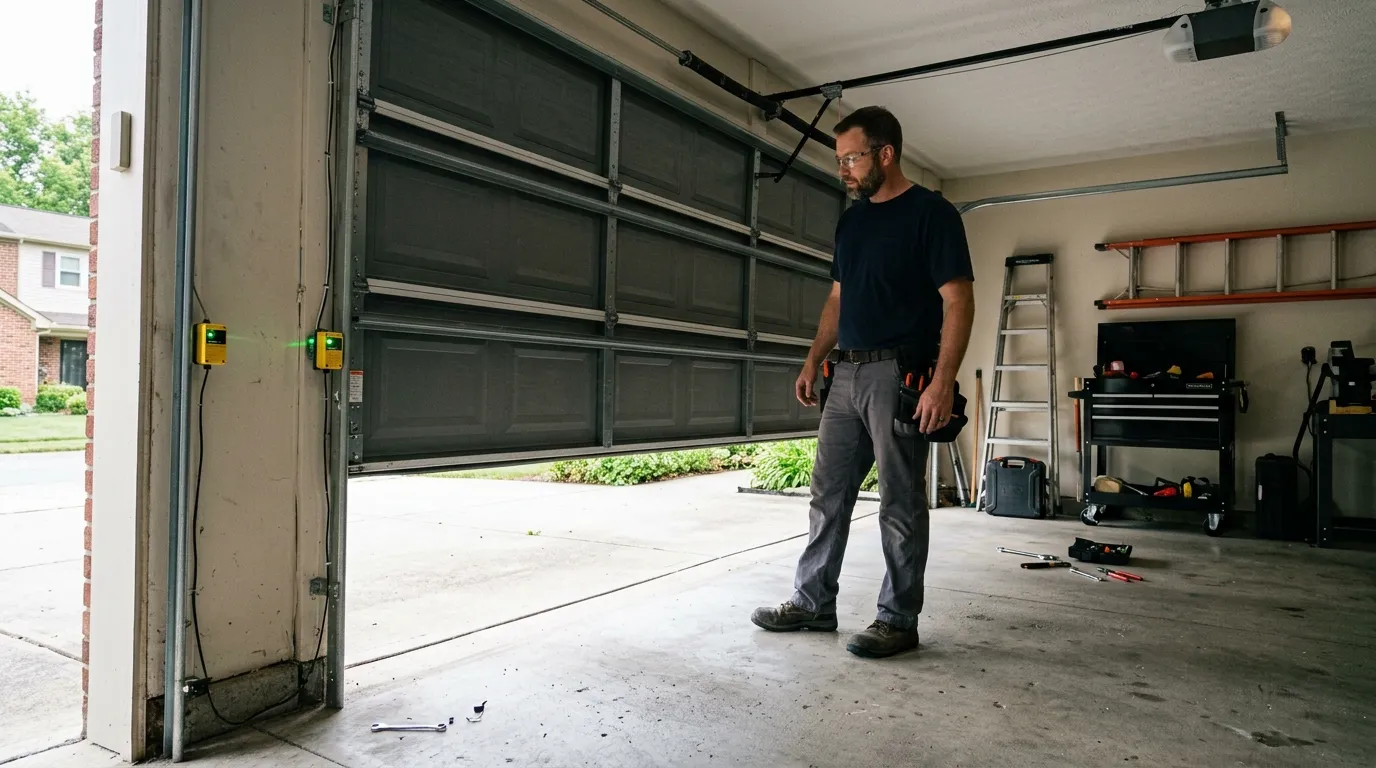
Garage Door Repair
Springs, cables, tracks, rollers, and openers fixed by a tech who explains the problem before touching anything.
Learn more →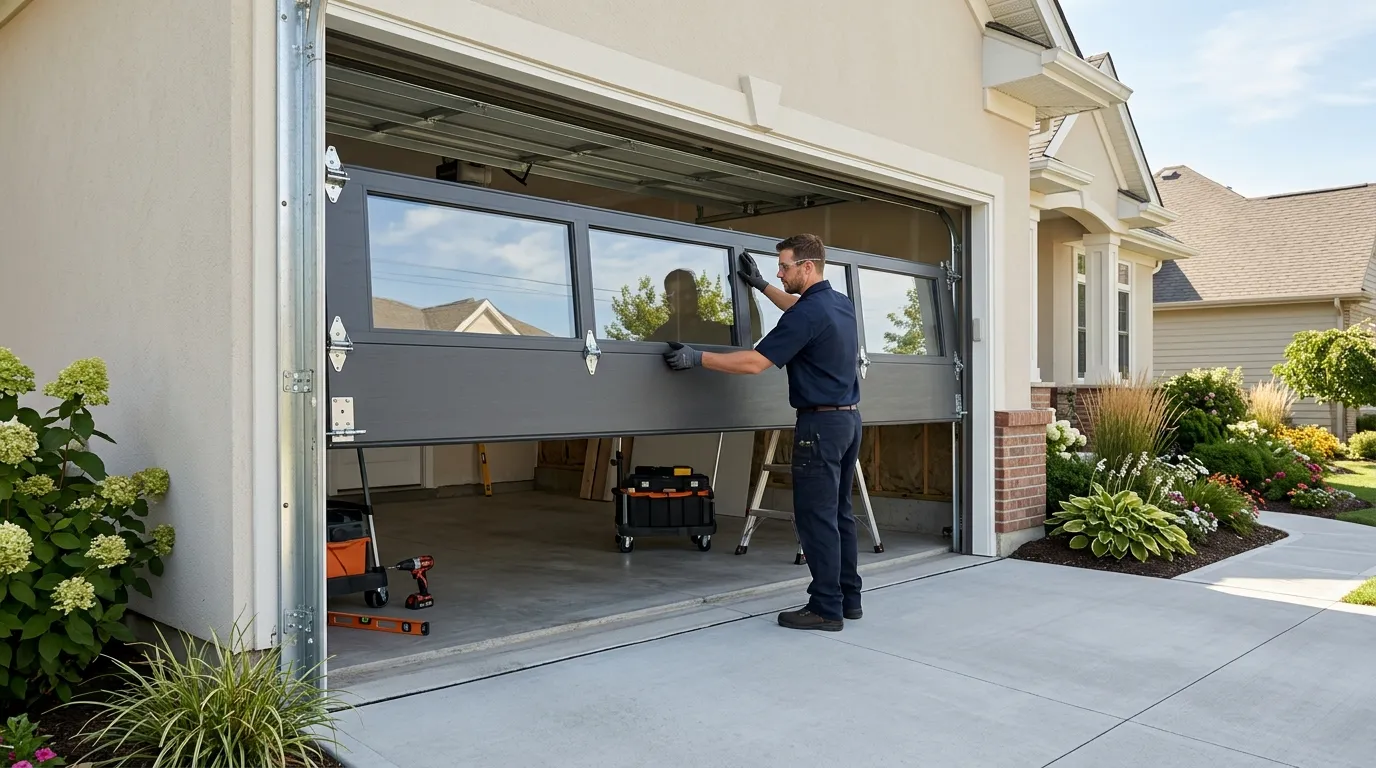
Garage Door Installation
New sectional doors sized and installed for the housing stock actually built in this area.
Learn more →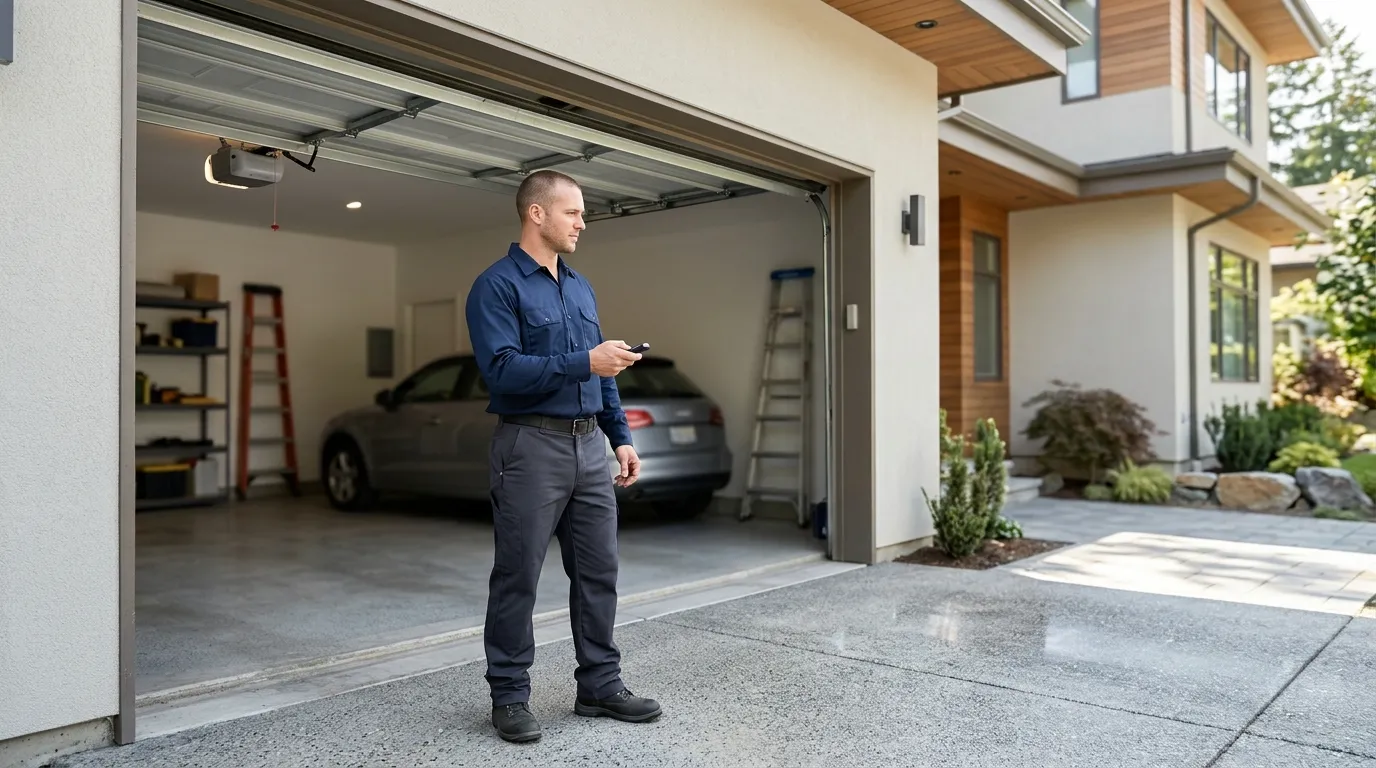
Garage Door Service
Tune-ups, lubrication, and safety checks that catch a small problem before it becomes a service call.
Learn more →Frequently Asked Questions
Why did my garage door spring break on a cold morning?
Cold doesn't cause the break by itself - fatigue does. A spring near the end of its cycle life has less give left in it, and steel contracts slightly as it cools. That combination is usually what turns a spring that was already close to failing into one that snaps overnight.
My house was built around 2000 - does that matter?
It can. A lot of Flower Mound's housing stock dates from right around that year, which means original torsion springs on those houses are now old enough to be near or past their rated cycle count. Age and use matter more than the house's age alone, but the two often line up.
Should I replace both springs if only one broke?
If both springs are original and the same age, yes, that's usually the better move - the second one has the same wear on it. If one was replaced more recently, it may have real life left. We can tell you which situation you're in when we look at the install date and condition.
Is this a DIY repair?
No. A torsion spring holds enough stored tension to cause serious injury if it's handled wrong. Diagnosing a slow door or a bent track is fine to do yourself, but winding or unwinding a spring is not a homeowner job.
Have a Door That Needs a Second Opinion?
Call and describe what it is doing - we will tell you what it likely is.