
Flower Mound Garage Door Guide
Weather Seals and Draughts: What's Actually Happening on Your Door
Flower Mound Garage Door Pros on why 2000s-era builder seals dry out in this climate, what draughts and dust lines mean, and when a $20 fix beats a new door.
- Licensed & Insured
- Same-Area Service Calls
- Upfront Pricing
When It Stops Being a DIY Job
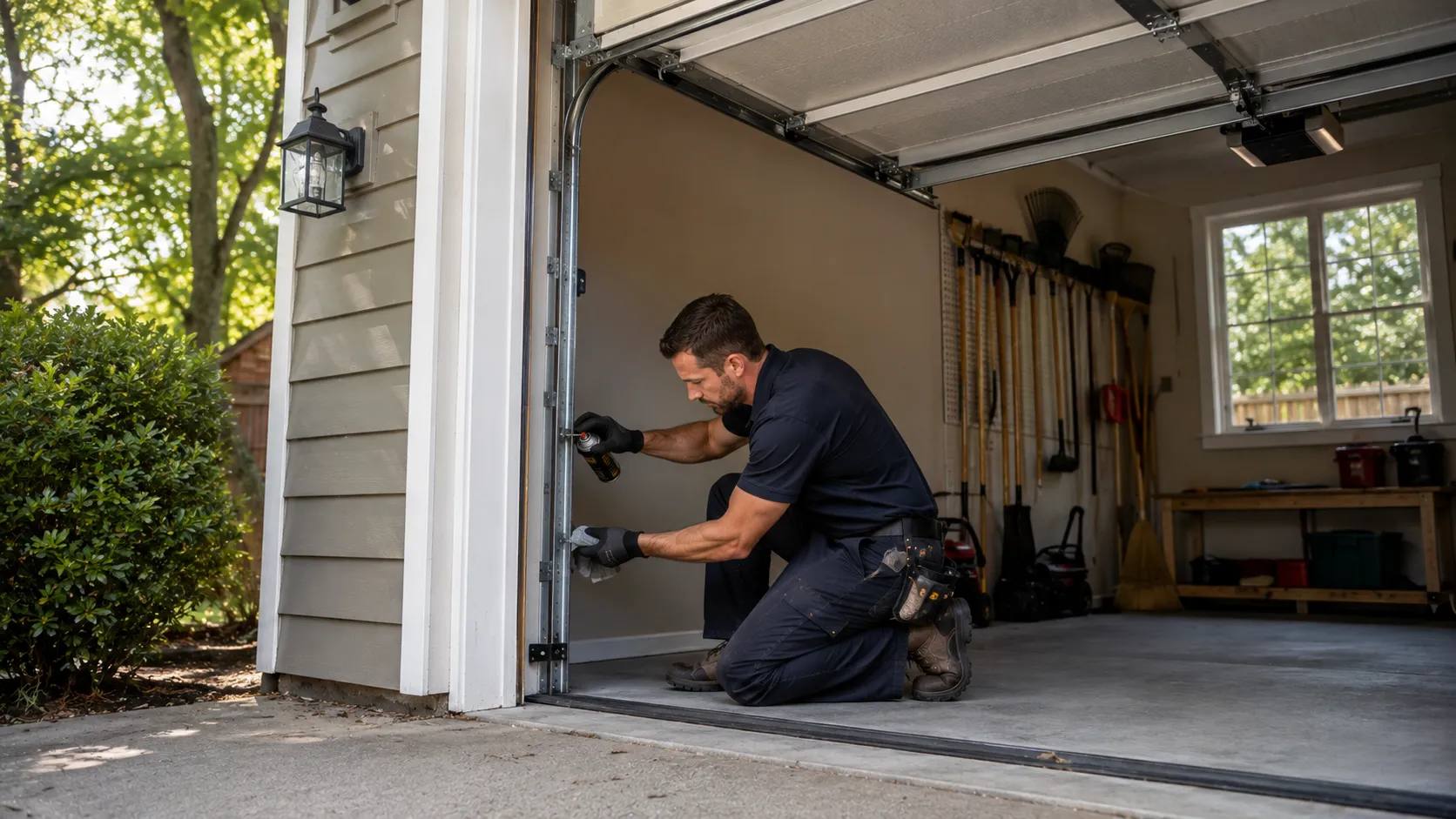
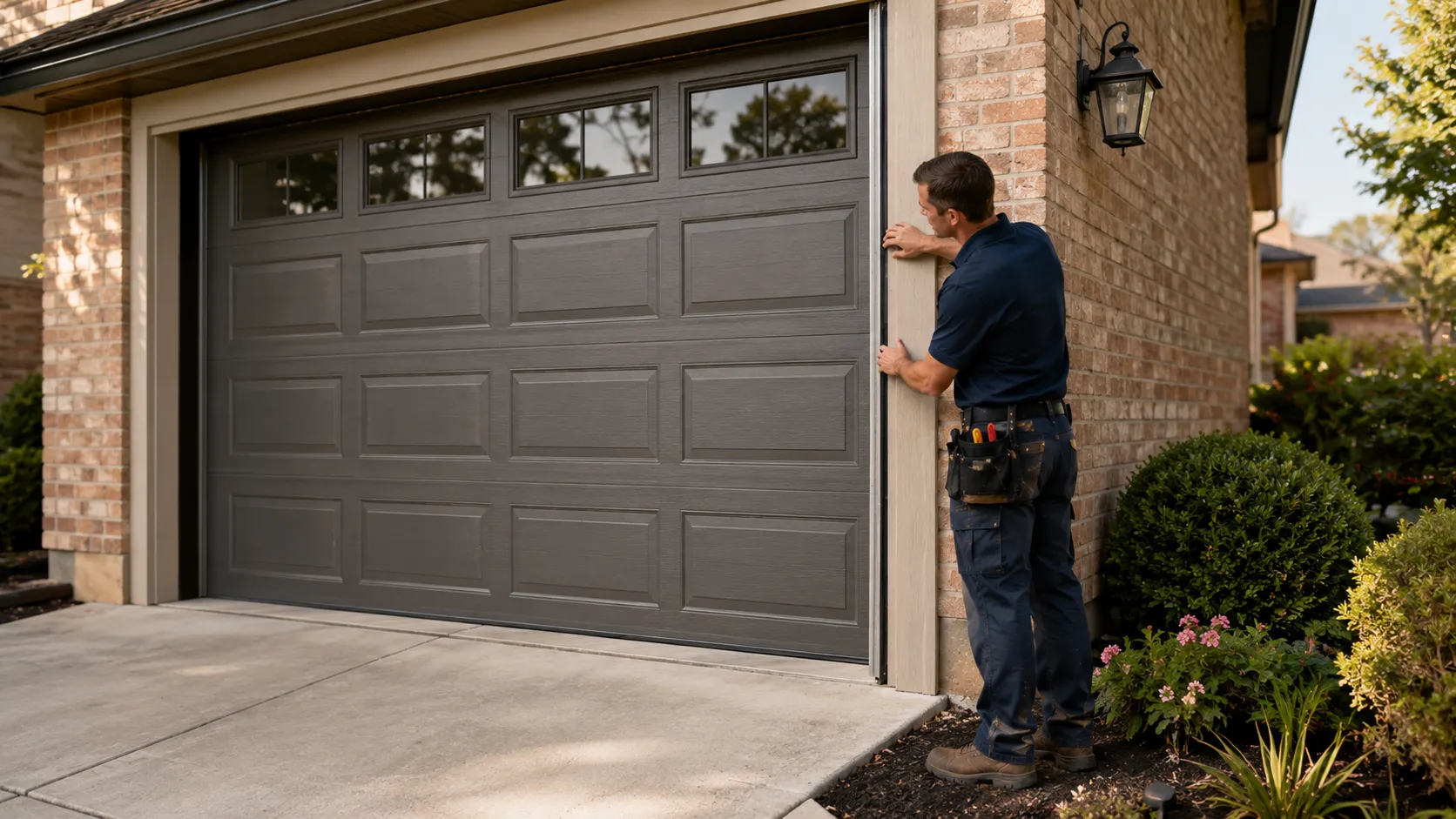
Swapping a bottom seal is a real DIY job right up until the retainer track is bent, the seal has hardened into a shape that won't sit flat, or the draught you're chasing is actually coming from a warped panel and not the seal at all. Most houses here went up between 1959 and 2014, with the bulk of that building happening around 2000, which means the bottom seal on your door is probably the same builder-grade vinyl that shipped with the house. That's twenty-plus years of sun and heat on a $15 part.
If you can still peel the old seal out of its track by hand and the new one slides in without forcing it, that's a Saturday job. If the track itself has flared or the seal keeps popping out within days of replacement, something upstream is pulling on it - usually the door isn't closing square anymore.
That's when it's worth a call instead of a second trip to the hardware store. We'll say plainly: we won't sell you a full seal-and-track replacement if a $20 part and twenty minutes solves it.
What Is Going On
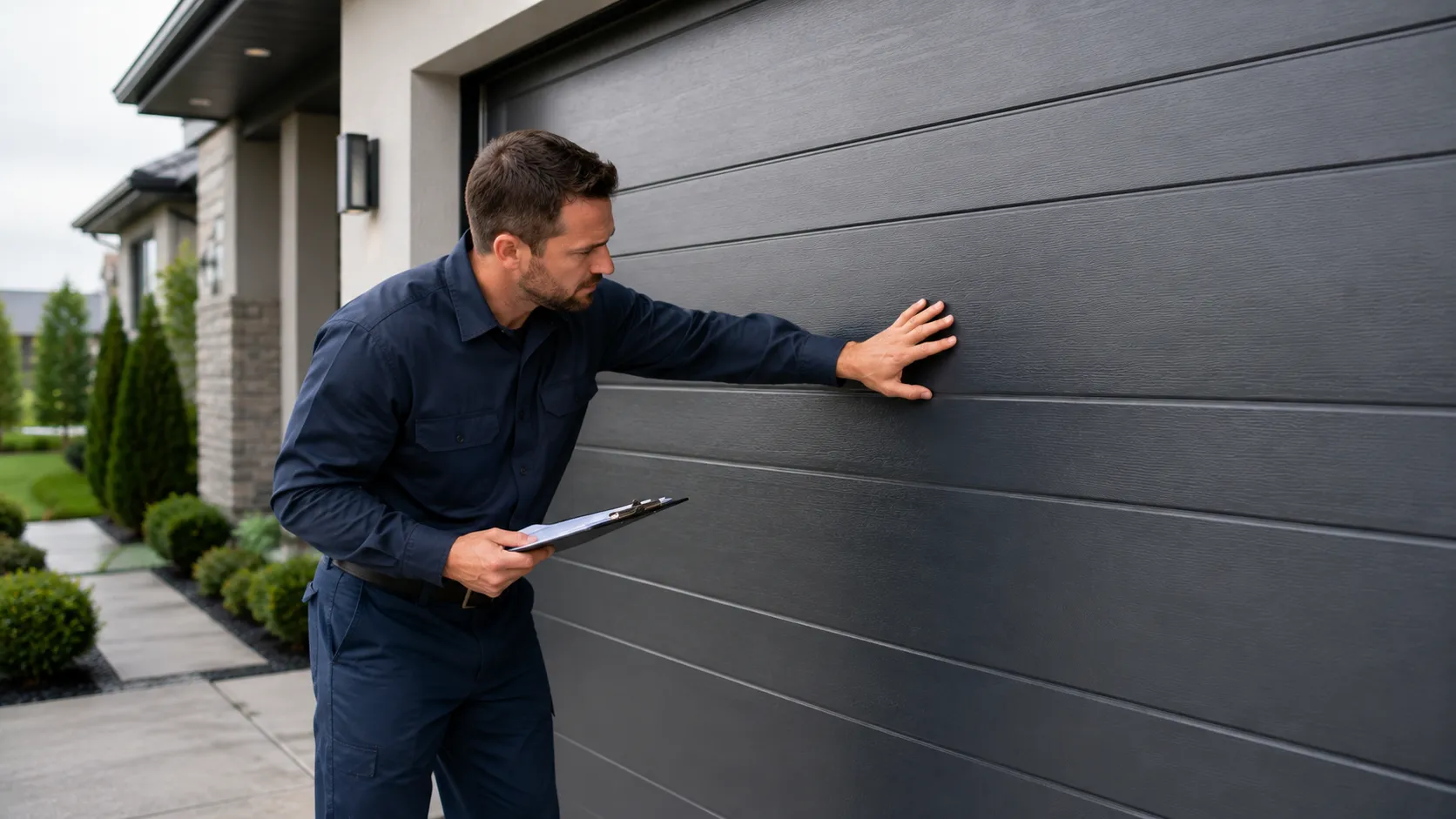
A garage door seal has one job: close the gap between a moving panel and a fixed slab floor. In a moderate-heat climate like this one, the vinyl in a factory bottom seal doesn't crack from cold - it cracks from UV and thermal cycling, drying out and pulling away from the aluminum retainer after fifteen or twenty summers of expansion and contraction. You'll see it as a seal that's gone stiff, cupped at the ends, or shrunk short of the door width so light shows at the corners.
Side and top seals fail the same way but get noticed less, because nobody looks at the top of the door. They're usually the reason a garage that used to stay dust-free starts picking up a fine film on shelving near the door, or why you can hear more of the street than you used to.
None of this is dramatic. It's slow enough that most owners don't clock it until they're standing in the garage on a windy day feeling air move past their ankles.
What Local Conditions Do
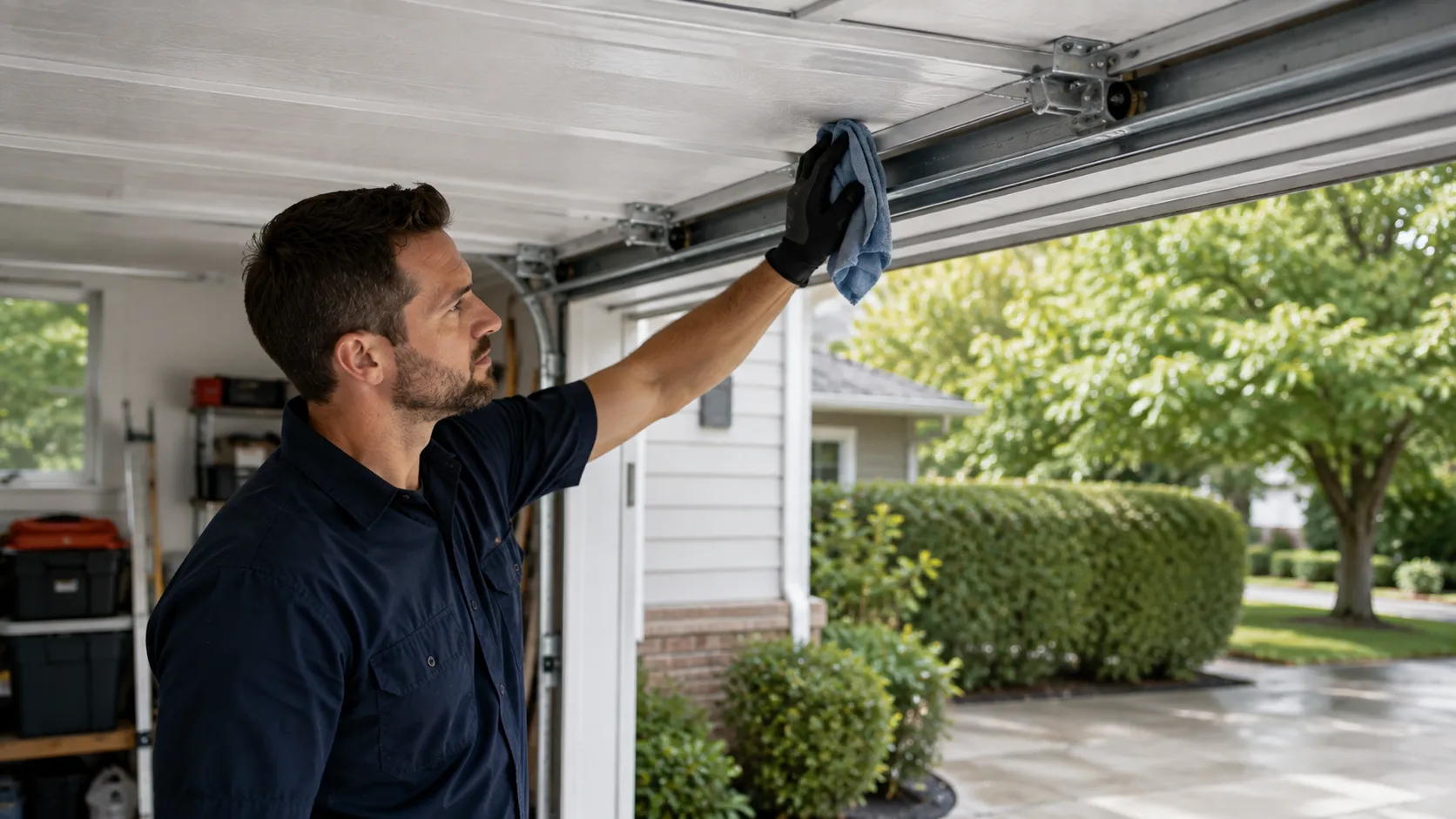
With 63,631 owner-occupied houses across this service area, most sitting on doors installed in the same 2000s construction wave, worn-out weather seals and draughts are the leading reason we see condensation lines and dust film along the base of the door. It isn't a freeze-thaw problem - this area's climate band is moderate heat, not the deep-cold cycling that splits seals up north. Here the damage comes from heat load: a west-facing door soaking up afternoon sun for years, softening the vinyl compound until it stops springing back to shape.
Houses built closer to 2000, which is the median build year for this stock, are hitting the age where original seals are due regardless of how the door has been treated. A door that's never been opened wrong and never taken a bump can still have a seal that's simply timed out. That's a maintenance item, not a defect, and it's worth checking before it turns into a bigger draught around the whole perimeter.
Where People Go Wrong
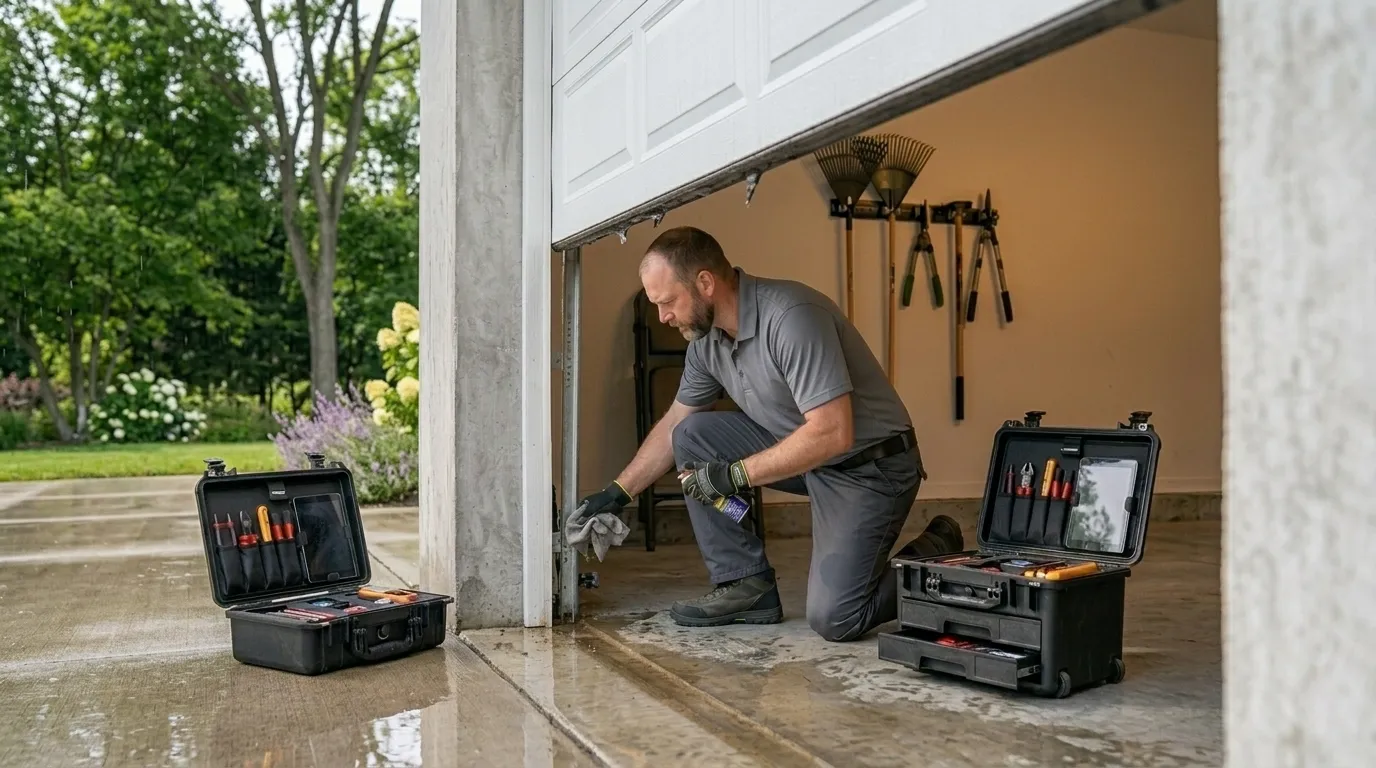
The most common mistake is treating a draught as a caulk problem instead of a door problem. People run a bead of silicone along the slab where the seal meets the concrete, which does nothing if the seal itself has shrunk or hardened - the gap just reopens somewhere else. The second mistake is buying a universal seal off a shelf without matching the retainer profile; a lot of 2000s-era doors here use a T-style track that doesn't take the bulb seals sold for newer channel tracks.
Whether the house is two miles out toward Double Oak or eight miles down near Corinth, the same 2000s-era seal profile shows up on almost every door we open, so getting the right part matters more than getting a cheap one. A household here earns a median $118,949, which is enough that most owners fix a two-dollar seal problem before it lets in enough dust to wreck a chain drive opener - but only if they catch it. Waiting until the seal is visibly torn usually means the track needs attention too, which turns a small fix into a bigger one.
How We Can Help
Garage Door Repair
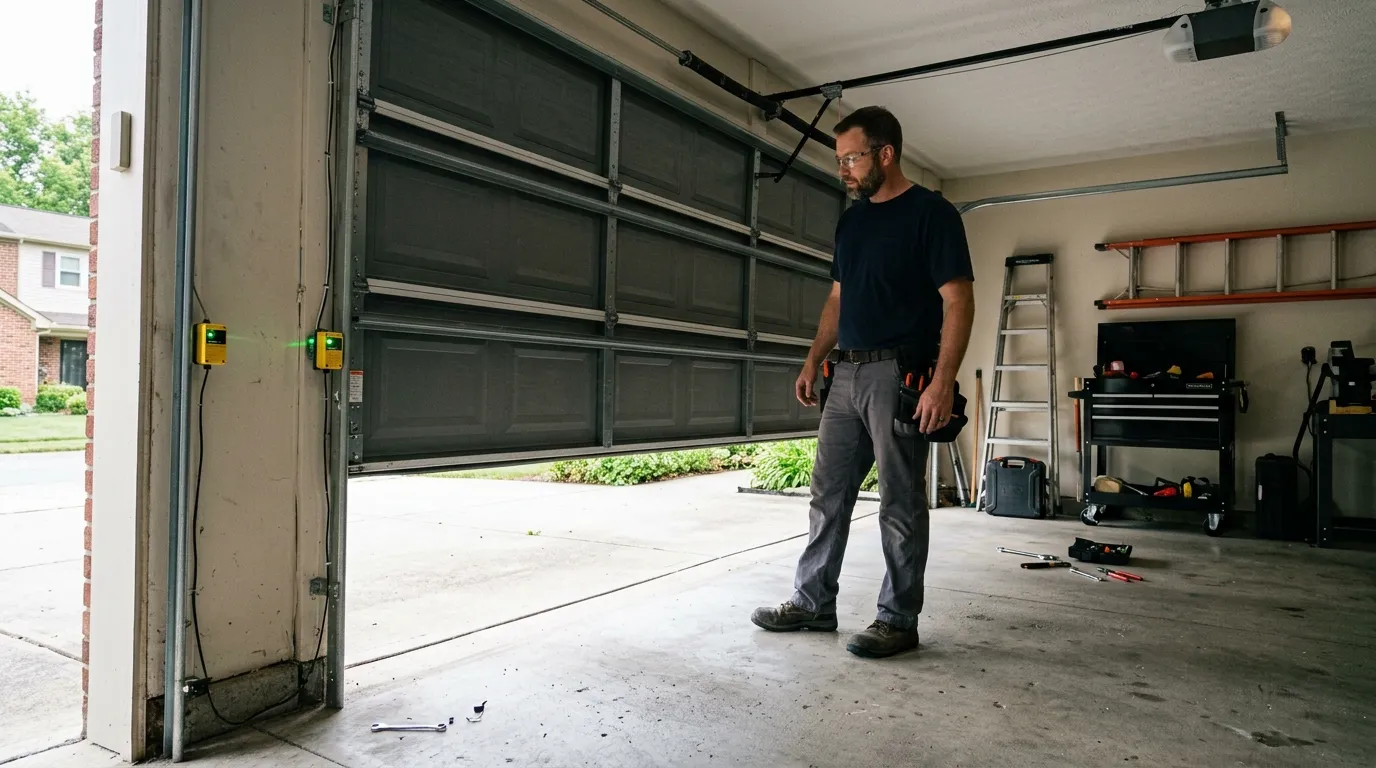
Springs, cables, tracks, rollers, and openers fixed by a tech who explains the problem before touching anything.
Learn more →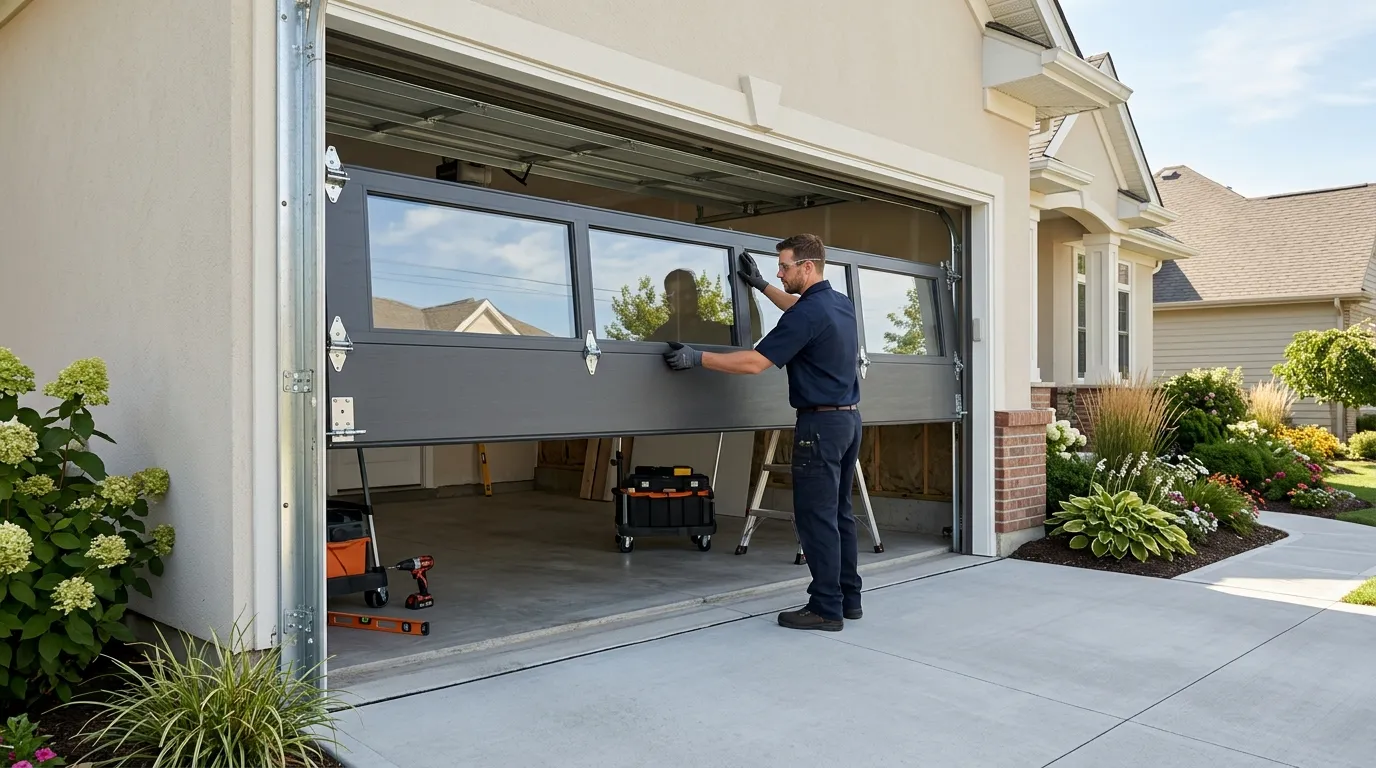
Garage Door Installation
New sectional doors sized and installed for the housing stock actually built in this area.
Learn more →
Garage Door Service
Tune-ups, lubrication, and safety checks that catch a small problem before it becomes a service call.
Learn more →Frequently Asked Questions
How do I know if it's the seal or the door that's letting in air?
Close the door and check for daylight at the bottom edge and the two side jambs with the lights off inside. A thin, even line usually means the seal has shrunk or hardened. Gaps only on one side, or a door that looks tilted when closed, point to the track or hinges instead - that's not a seal fix.
Why does my seal keep drying out faster than it used to?
Vinyl and rubber seals harden with UV exposure and heat cycling over years, not overnight. In this area's moderate-heat climate, a west- or south-facing door takes the most sun load and tends to need its bottom seal replaced sooner than a shaded one.
Can I just add more caulk instead of replacing the seal?
Caulk seals a joint between two fixed surfaces. A garage door seal has to flex thousands of times as the door opens and closes, so caulk cracks and falls out fast where a seal is supposed to be. It's a short-term patch at best, not a fix.
Is a draughty door worth fixing if I don't use the garage much?
Yes, mainly because dust and moisture getting past the seal reach whatever's stored against that wall and can affect the opener's electronics over time. It's a cheap fix compared to what it protects, even in a garage you rarely walk into.
Have a Door That Needs a Second Opinion?
Call and describe what it is doing - we will tell you what it likely is.