
Flower Mound Garage Door Guide
What the 1959-2014 Build Range Means for Your Garage Door
Flower Mound homes span 1959 to 2014 construction. Here's what that build-year spread means for garage door insulation, panels, and when a repair stops making sense.
- Licensed & Insured
- Same-Area Service Calls
- Upfront Pricing
When It Stops Being a DIY Job
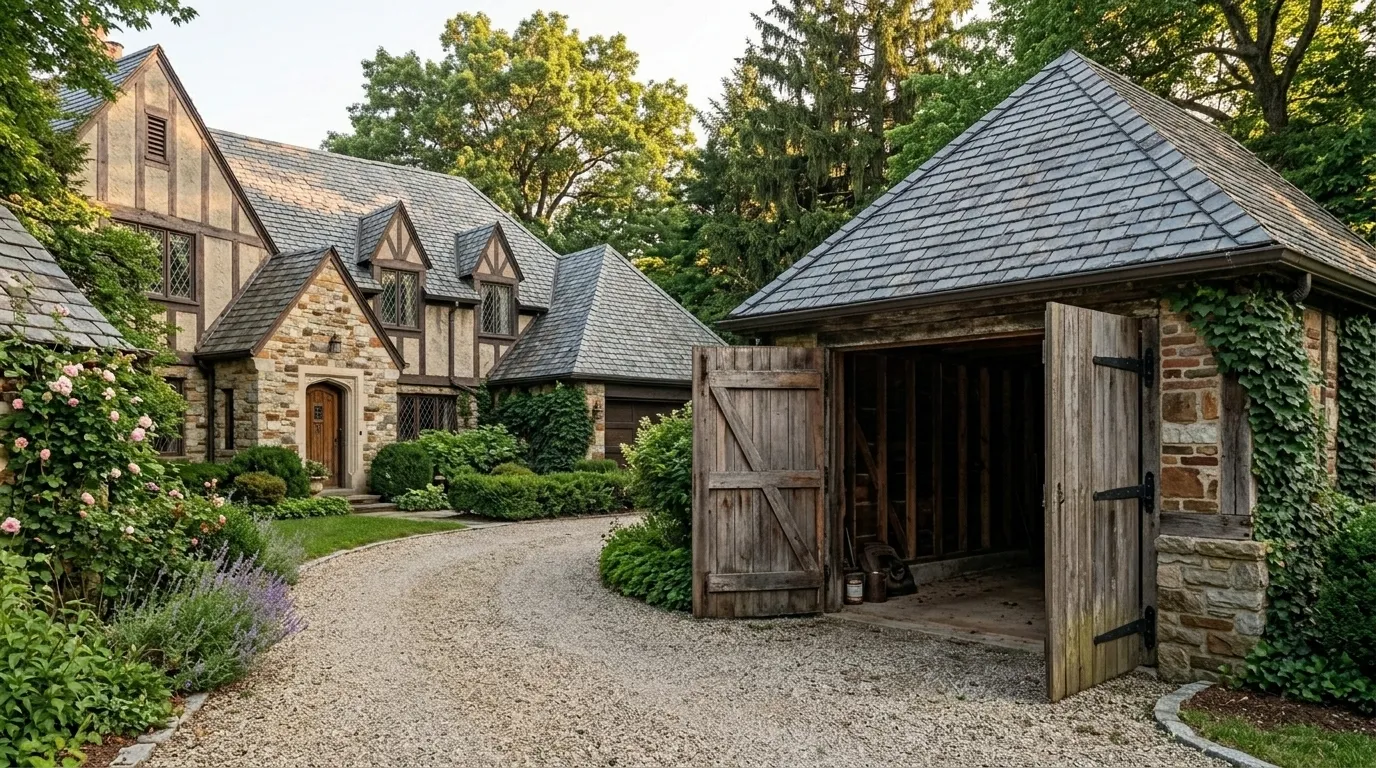
Flower Mound's housing stock runs from 1959 up through 2014, with the median landing around 2000. That fifty-five year spread matters more than people think. A door on a house built in the early 1960s was hung before insulated steel doors were standard, often a single-layer panel with no thermal break, on hardware that's been replaced piecemeal for decades.
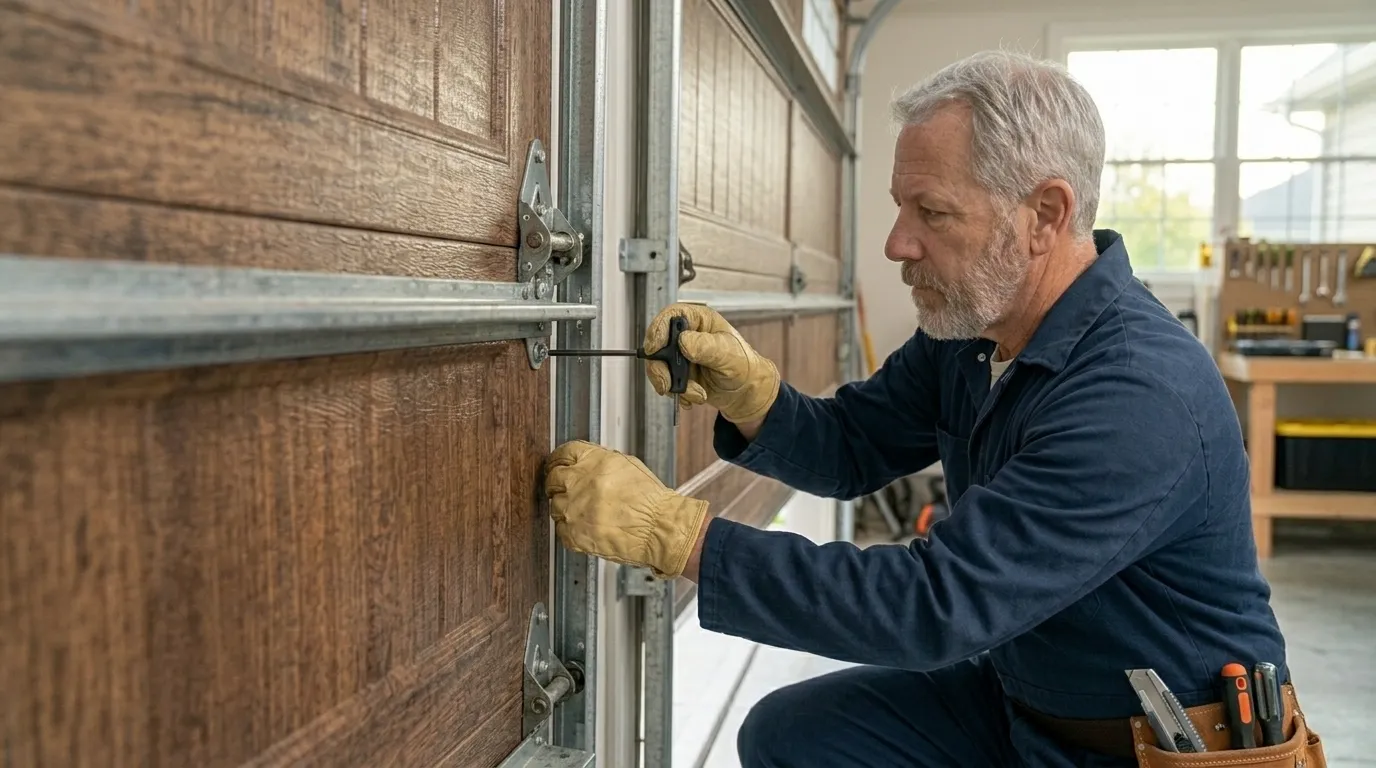
A door on a 2000s-era house, which makes up most of the stock here, came with foam-core panels and weatherstripping built into the original install. If you're tightening a bolt or swapping a roller, fine, do it yourself. But once you're pulling an old single-layer panel to see why it's sagging, or trying to figure out why a 1960s track doesn't line up with a modern opener bracket, that's a call, not a weekend project.
Mixing eras of hardware is where people get hurt or ruin a new opener on old rail.
What Is Going On
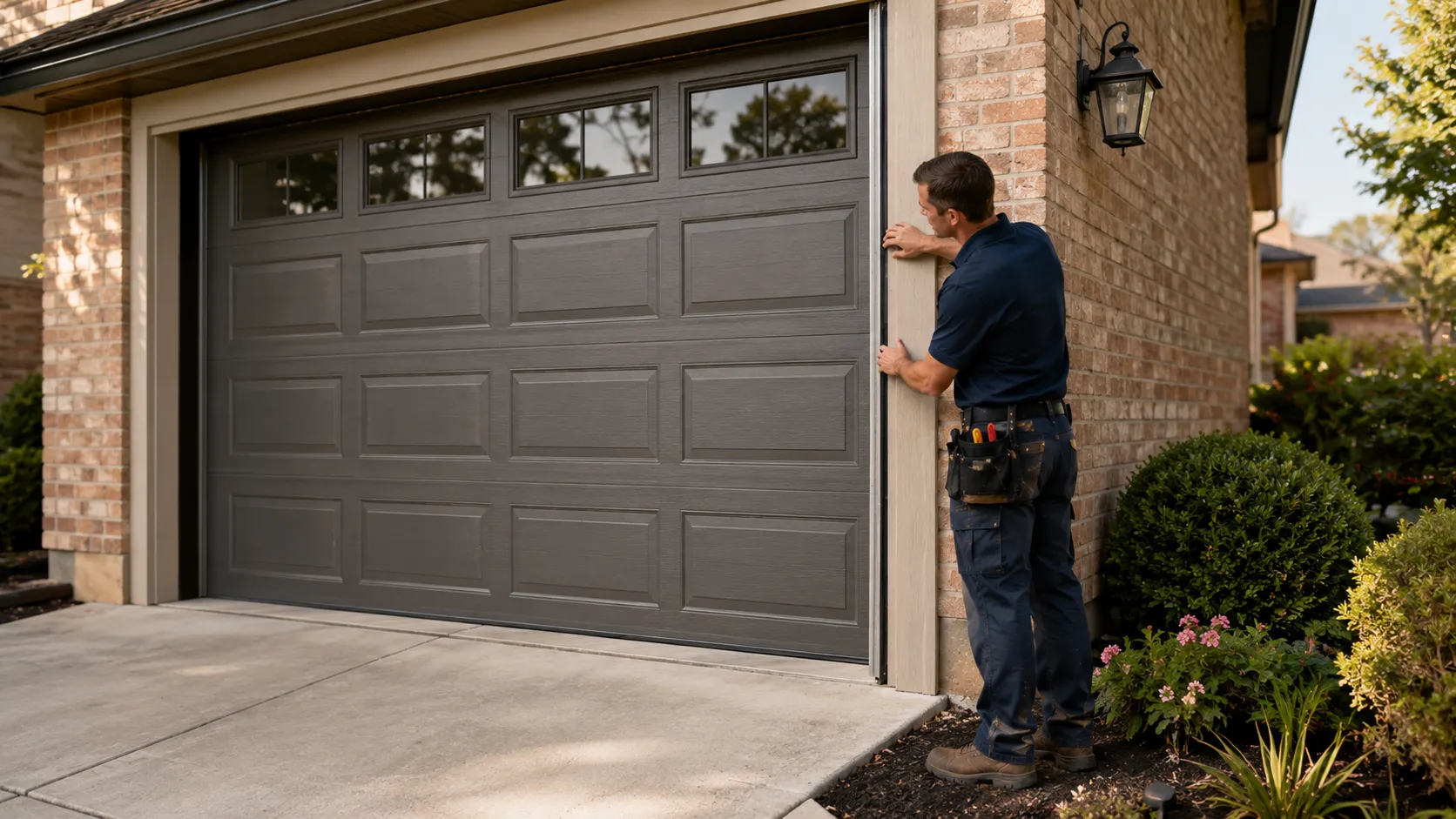
Most of the doors we see here fall into one of two buckets, and it comes straight from F1 and F2: the bulk of the area's 27 named neighborhoods built out in the 2000s, so a majority of doors are insulated steel with factory weatherstrip, still under 25 years old. The minority sit on the older end of that 1959-2014 range, non-insulated, single-panel, often retrofitted with a newer opener that was never matched to the door's actual weight. That mismatch is the most common failure we find on the older homes: an opener rated for a light aluminum panel now hauling a heavier insulated replacement door, or vice versa.
The spring never got recalculated when the door changed. It's not a defect, it's just two different decades of hardware bolted together.
What Local Conditions Do
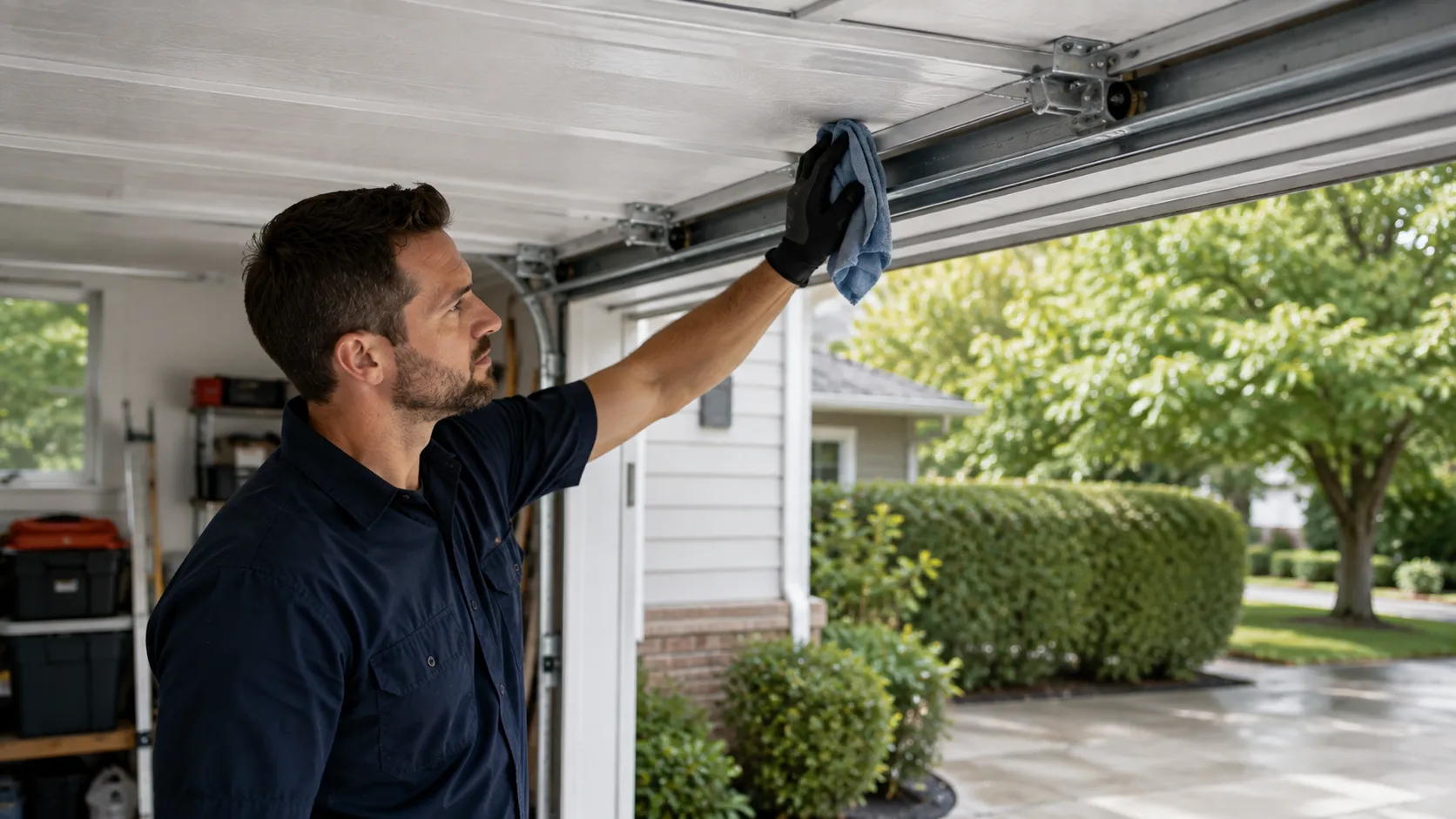
Flower Mound sits in a moderate heat climate band, not the extreme swings you'd get further south or further north. That's actually the reason the insulation question matters less for comfort and more for the door itself. On the pre-insulation doors, a single steel skin flexes with daily heat cycling, and over enough summers that flex works the panel seams and the roller brackets loose.
You won't feel a temperature problem in the garage the way you might in a harsher climate, but you'll feel it in the door: warping at the bottom panel, hinges pulling from thinner steel, a door that binds in the track on the hottest afternoons and frees up by evening. Insulated doors from the 2000s stock don't show this because the foam core keeps the skin from moving as much. It's a structural issue tied to how the door was built, not a climate emergency.
Where People Go Wrong
The mistake we see most is treating a warped single-panel door from the older end of the 1959-2014 range as a spring or opener problem, because that's the symptom that shows up first. You replace the spring, the door still binds. You replace the opener, same thing.
The actual issue is a panel that's flexed out of square over years of heat cycling on hardware from before insulated doors were standard. At that point, patching one part just moves the symptom somewhere else. We won't sell a new opener onto a door that's structurally shot just to close a ticket - if the panel's the problem, the panel needs to go, and sometimes that means the whole door.
On the newer, insulated stock that makes up most of the area, this almost never comes up; those doors fail at the spring or roller like you'd expect, and a straight parts swap fixes it.
How We Can Help
Garage Door Repair
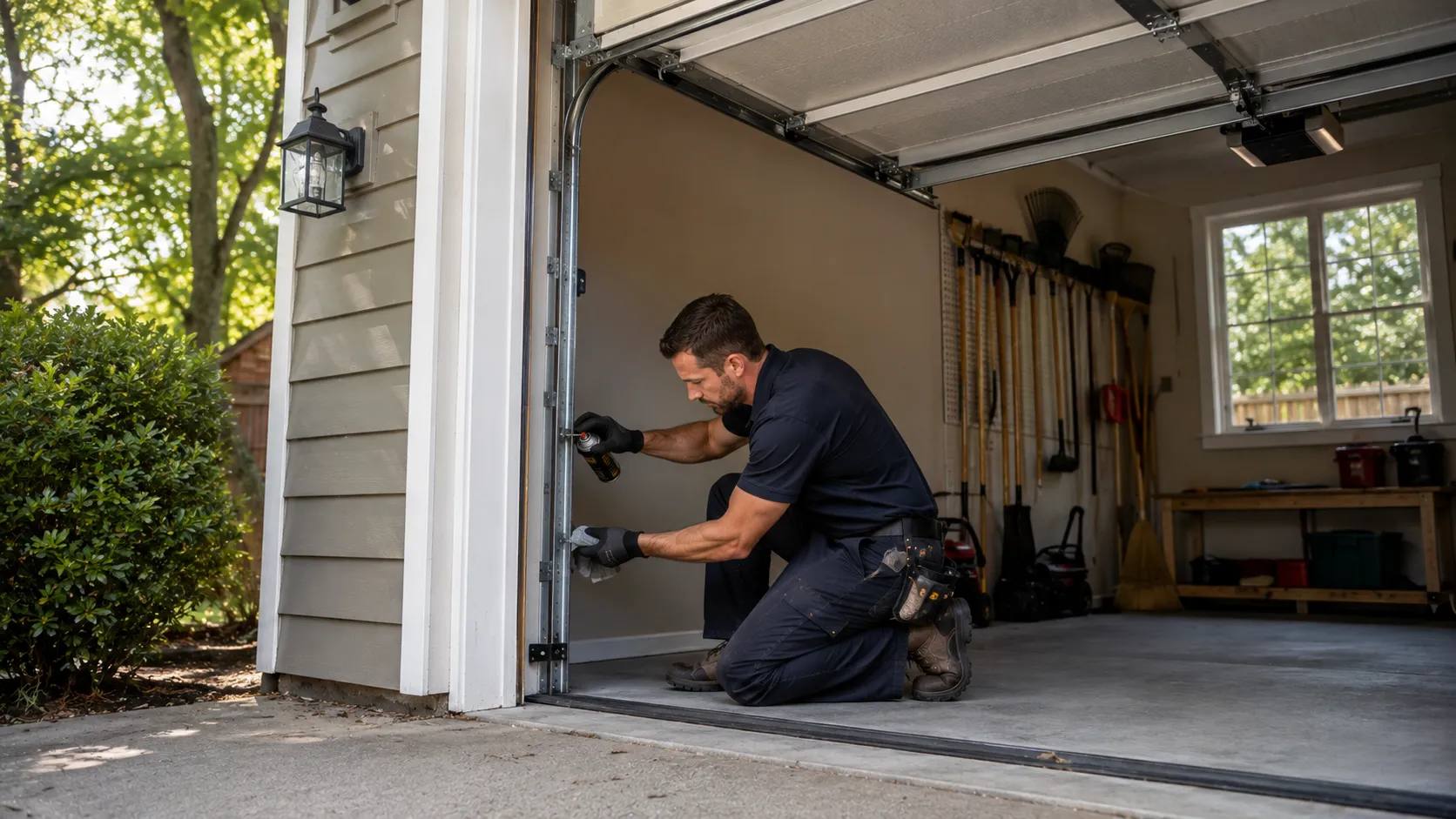
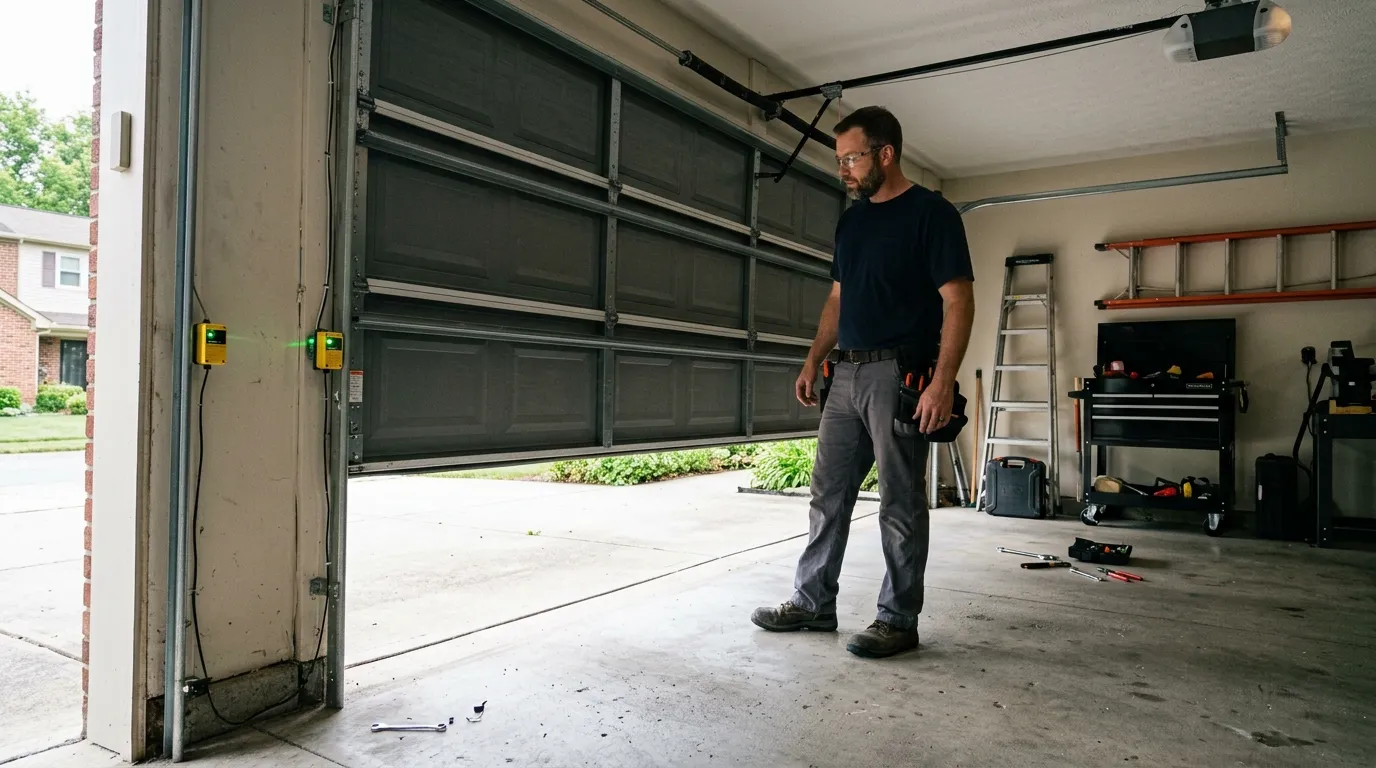
Springs, cables, tracks, rollers, and openers fixed by a tech who explains the problem before touching anything.
Learn more →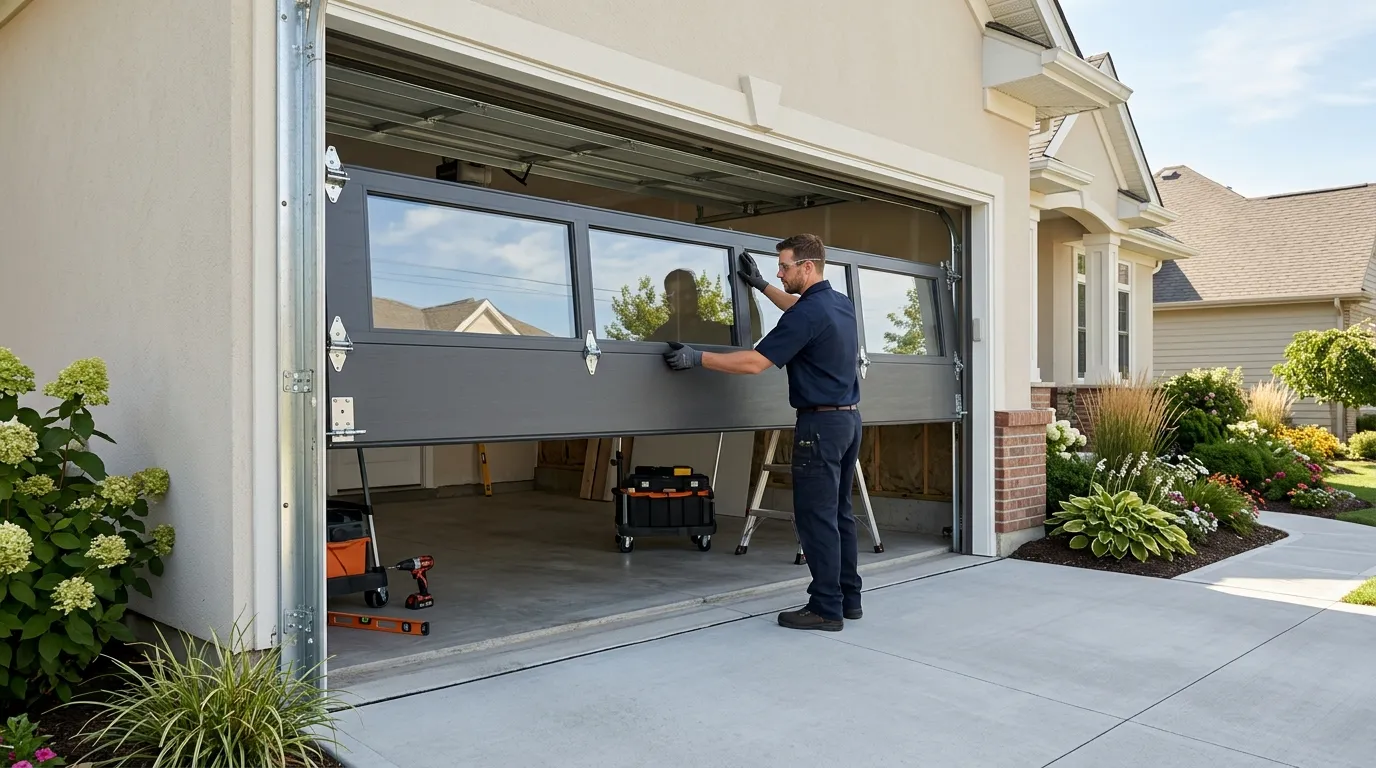
Garage Door Installation
New sectional doors sized and installed for the housing stock actually built in this area.
Learn more →
Garage Door Service
Tune-ups, lubrication, and safety checks that catch a small problem before it becomes a service call.
Learn more →Frequently Asked Questions
How do I know if my garage door predates insulation standards?
If your house was built on the older end of Flower Mound's 1959-2014 range and the door looks like a flat, single-layer steel panel with no foam visible at a cut edge or a torn weatherstrip seam, it's likely pre-insulation stock. Newer 2000s-era homes almost always shipped with foam-core insulated panels from the builder.
Does the heat here actually damage garage doors?
Flower Mound sits in a moderate heat band, so it's not extreme cycling, but daily heat still flexes an uninsulated single-panel door over years. That shows up as binding in the track or warping at the bottom panel long before it shows up as anything you'd notice inside the garage.
My opener is new but the door is old - is that a problem?
It can be. A newer opener matched to an older, heavier or lighter door than it was rated for is one of the more common issues we see on the area's older housing stock. The fix usually isn't the opener, it's recalculating the spring and hardware for the actual door in front of it.
Is it ever better to replace the whole door instead of repairing it?
Yes, and we'll tell you when that's the case. If a single-panel pre-insulation door has warped from years of heat flex, patching the spring or roller won't fix the underlying panel. At that point a new insulated door costs less over time than repeated repairs on a door that's structurally done.
Have a Door That Needs a Second Opinion?
Call and describe what it is doing - we will tell you what it likely is.