
Flower Mound Garage Door Guide
What a Service Call Actually Covers
A straight look at what a garage door service call actually involves for Flower Mound homes built mostly in the 2000s, and where DIY stops making sense.
- Licensed & Insured
- Same-Area Service Calls
- Upfront Pricing
When It Stops Being a DIY Job
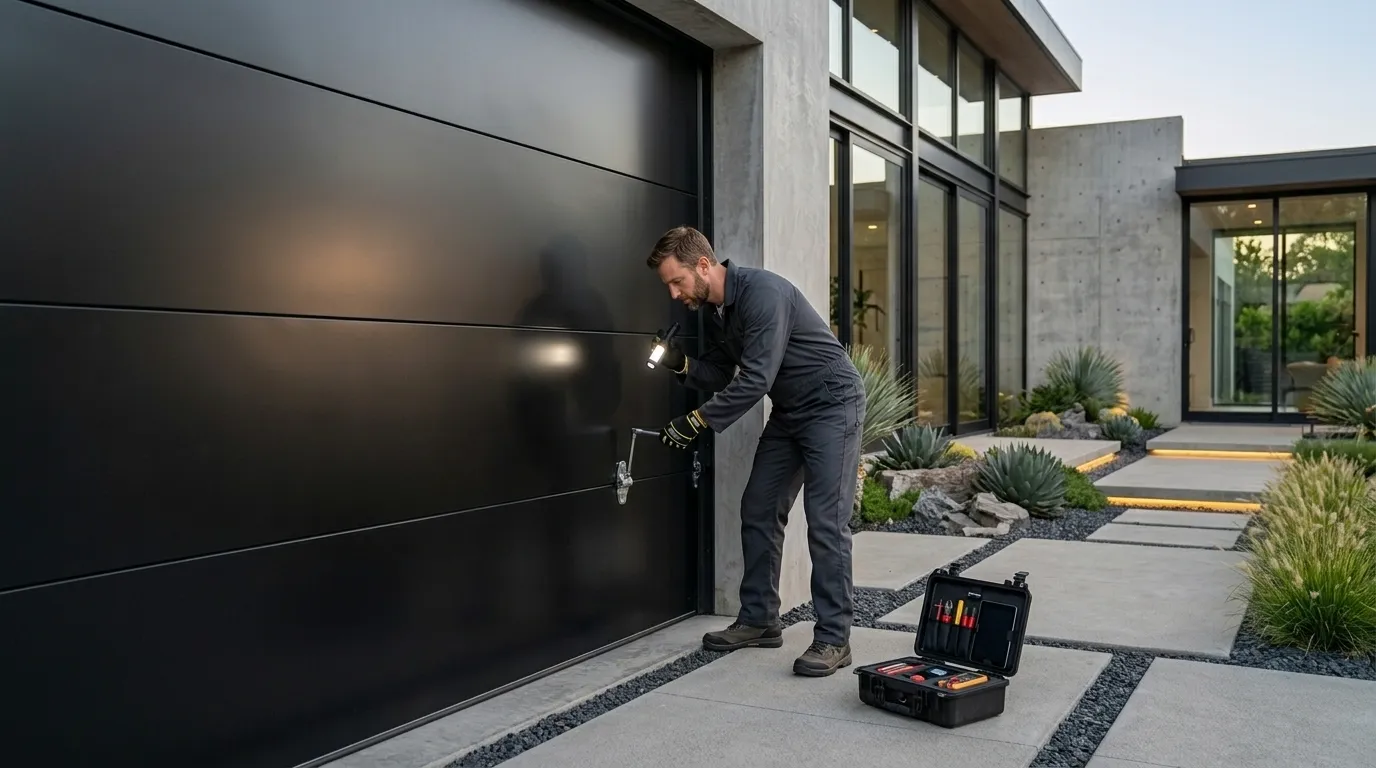
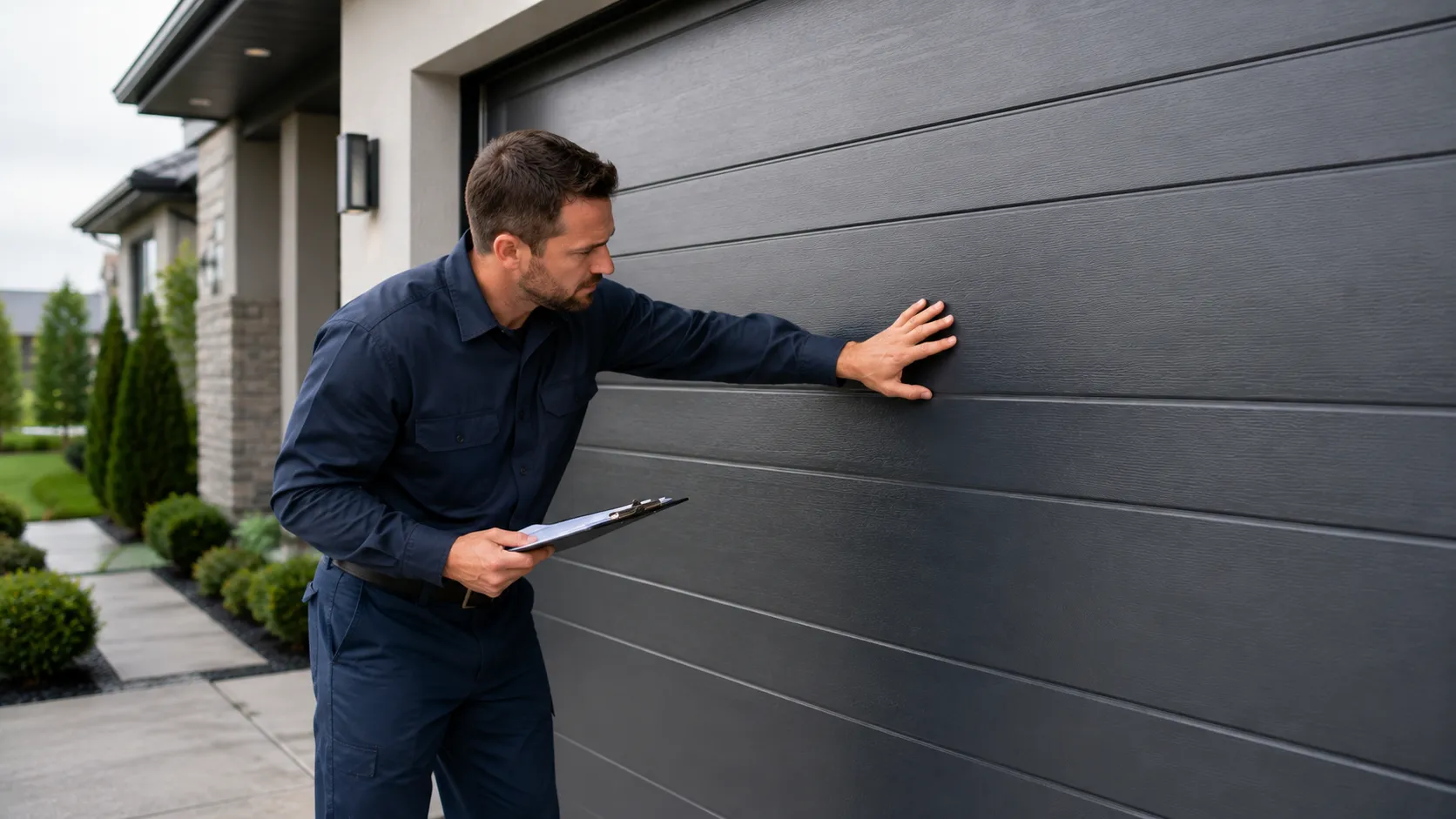
Most houses around Flower Mound went up between 1959 and 2014, with the bulk of the stock dating to right around 2000. That matters more than people think. A door and opener installed when a subdivision was built are now roughly two decades old in a lot of these neighborhoods, which is exactly the age where torsion springs fatigue, opener gears strip, and the original steel rollers start grinding in the track.
Tightening a hinge or spraying WD-40 on a noisy roller is fine to try yourself. Replacing a spring under tension, realigning a bent track, or diagnosing why a mid-2000s opener suddenly won't reverse is not something to learn on your own garage. Once a job involves the torsion spring, the cable drum, or anything inside the opener housing, that's a call, not a weekend project.
We're not going to talk anyone out of a five-minute fix they can do themselves. We just want the line drawn where it actually belongs, not where it's convenient.
What Is Going On
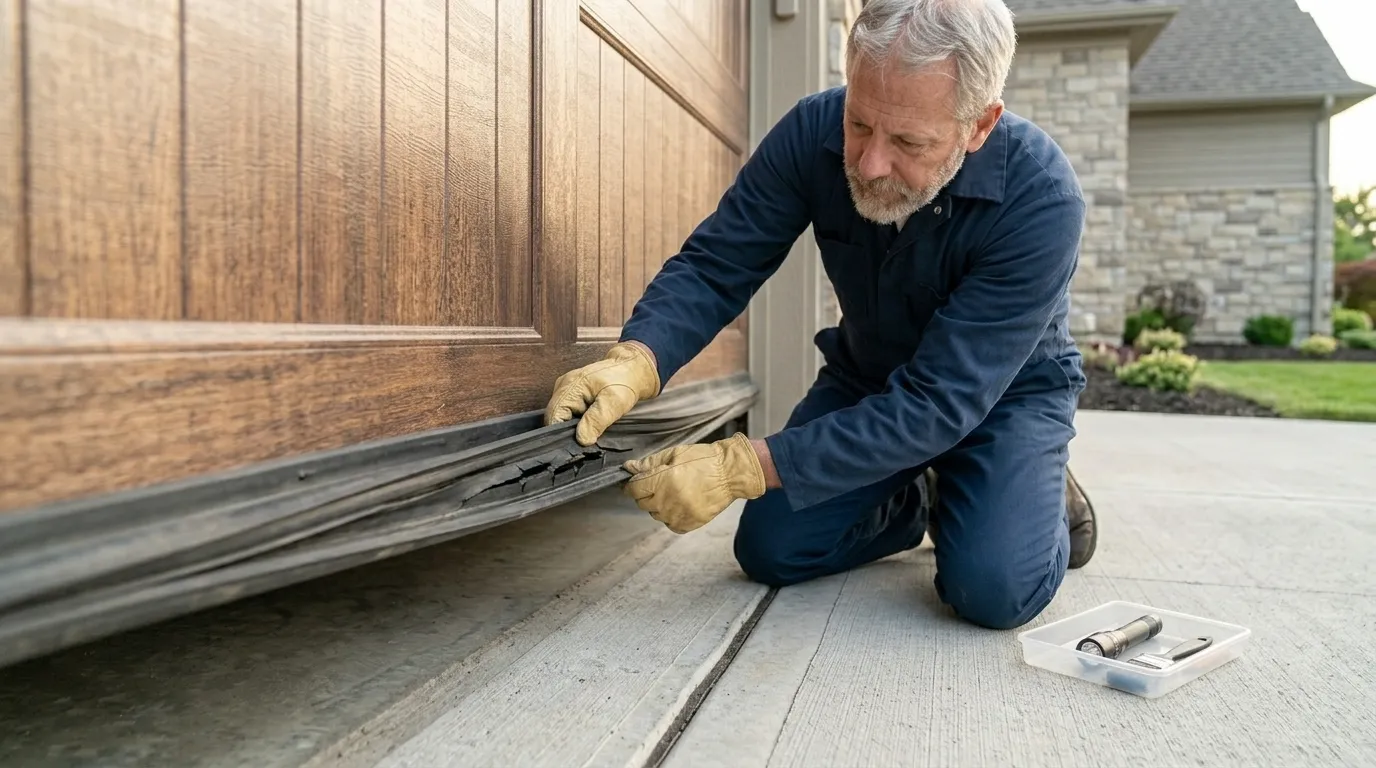
A service call starts with figuring out which system is actually failing, because a door with three moving systems - springs, track and rollers, opener - can show the same symptom for three different reasons. A door that won't fully close might be a misaligned safety sensor on the opener, a bent track section, or a spring that's lost enough tension that the opener is straining to do a job it wasn't built for. Homes built through the 2000s across this area mostly shipped with builder-grade openers and standard torsion spring setups, which age in predictable ways once they hit fifteen to twenty years of cycles.
Part of the call is testing each system in isolation - manual door balance with the opener disconnected, then the opener's force and sensor settings on their own - so the diagnosis is based on what's actually wrong rather than what's easiest to blame. That's the difference between a repair that holds and one that gets redone in six months.
What Local Conditions Do
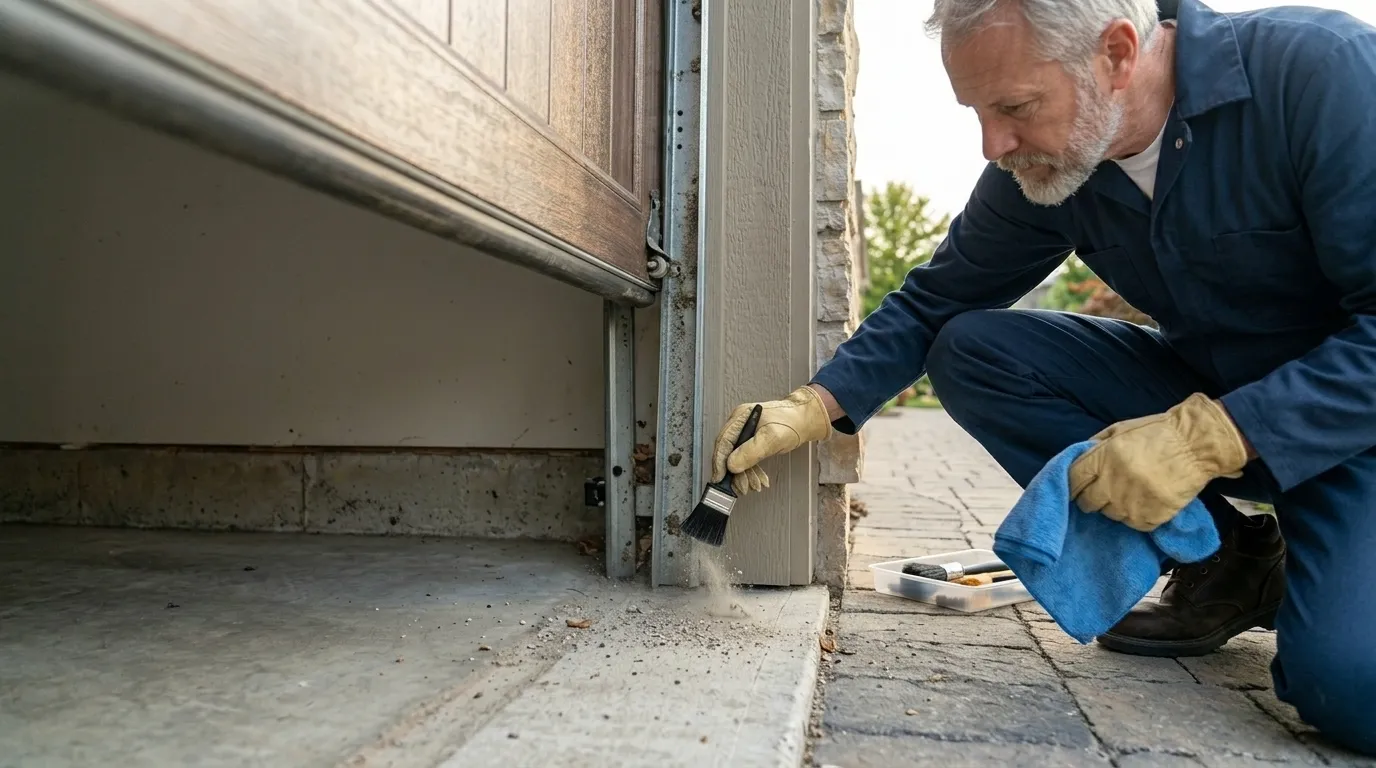
This area sits in a moderate heat band, not the extreme swings some regions deal with, but Texas summers still put real stress on garage door components day after day. Steel expands, lubricant thins out, and openers pushing a door against a hot, swollen wood or composite frame draw more current than they're rated for over time. That steady heat load is a big part of why torsion springs and opener drive gears on houses from this 2000s-era stock tend to wear out on a fairly predictable timeline rather than failing randomly.
It's not dramatic weather doing the damage - it's the accumulation of ordinary hot days on hardware that was never built to last forever. A service call in this climate band includes checking lubrication and opener load, not just the obviously broken part, because a spring or gear under a little too much heat stress often shows a second symptom hiding behind the first one.
Where People Go Wrong
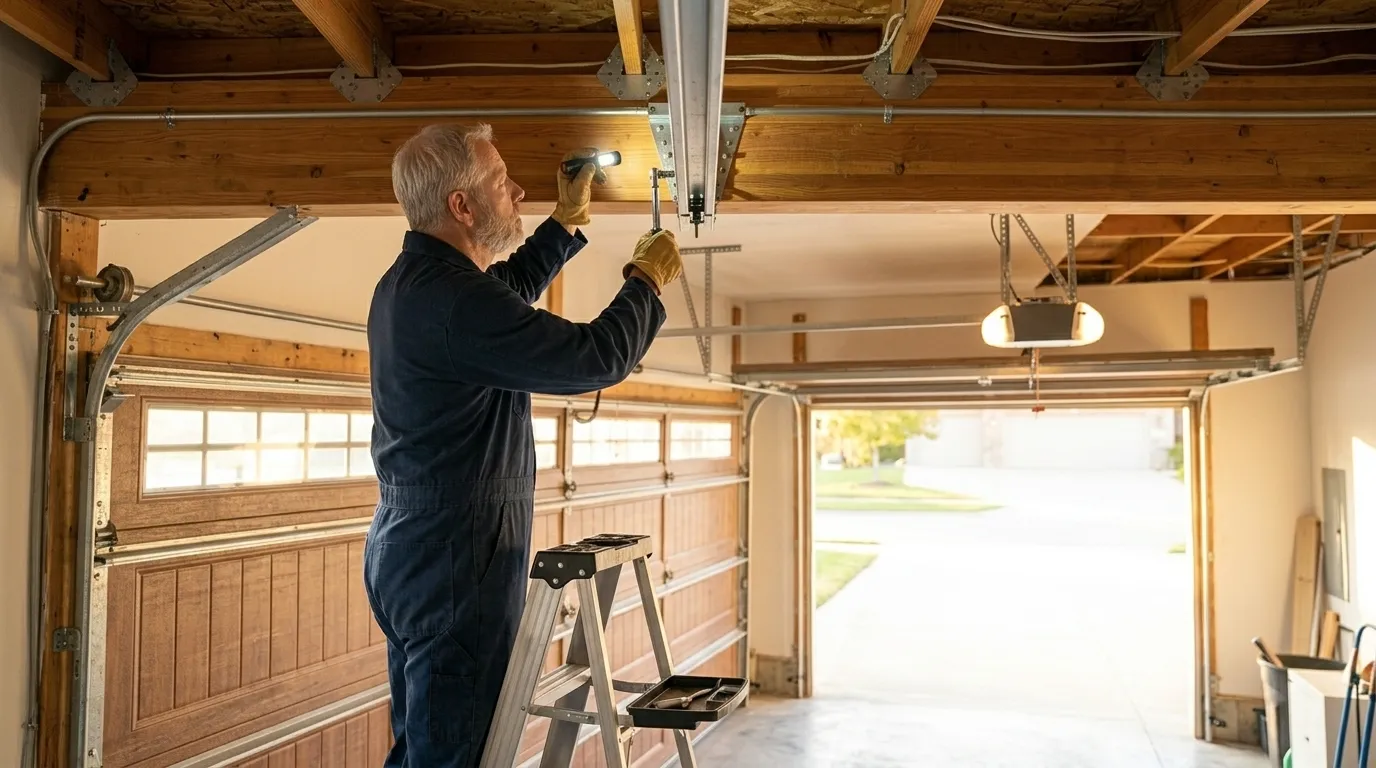
The most common mistake is treating the opener as the problem when the spring is the actual cause. If the opener is straining, clicking, or reversing on its own, the spring may no longer be carrying its share of the door's weight, and the opener motor is compensating until it can't. Replacing the opener without addressing the spring means the new unit inherits the same overload and fails early too.
Households across this service area report a median income near $119,000, and most are homeowners rather than renters - which tends to mean people want the job done right the first time rather than patched twice. The honest limitation here: if a door is old enough and worn enough on enough systems at once, repair costs start closing in on replacement cost, and at that point we'll say so rather than stack another repair on top of the last one.
How We Can Help
Garage Door Repair
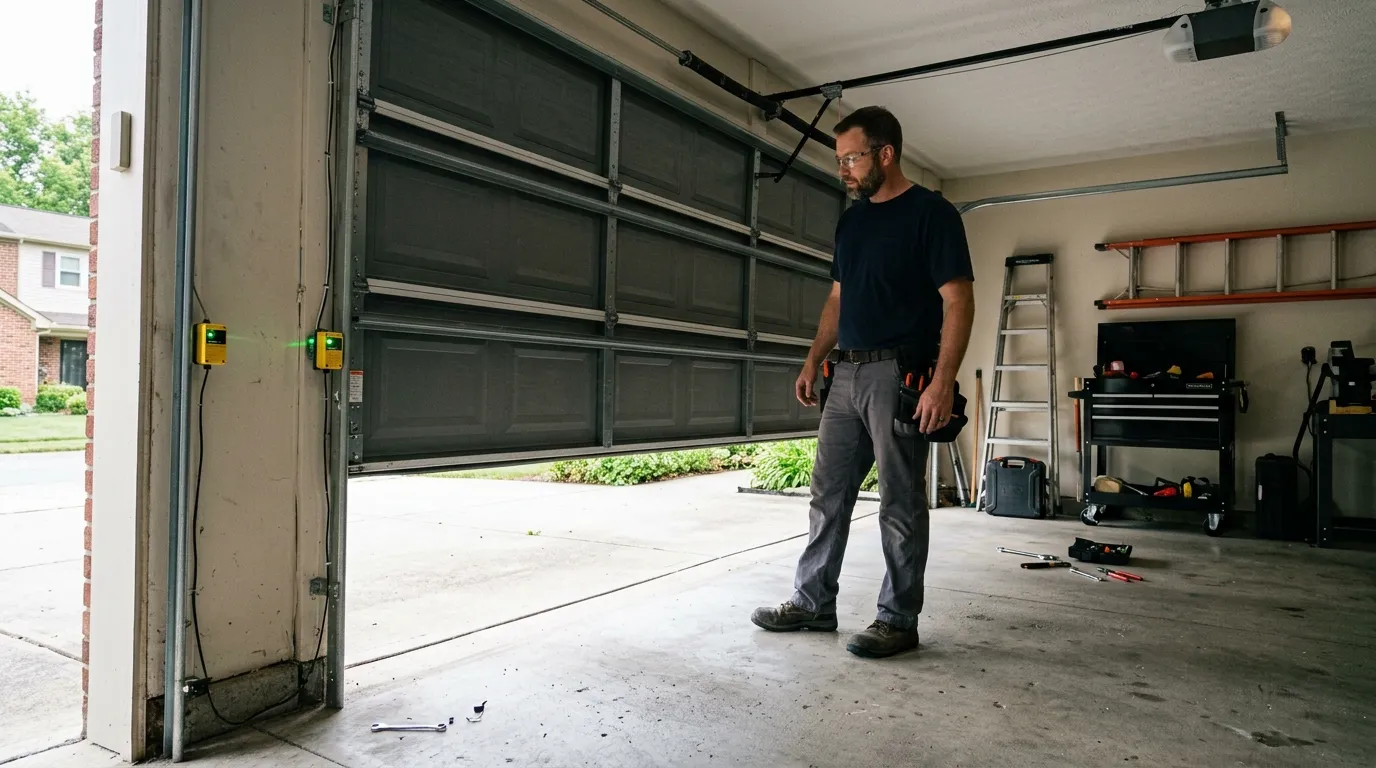
Springs, cables, tracks, rollers, and openers fixed by a tech who explains the problem before touching anything.
Learn more →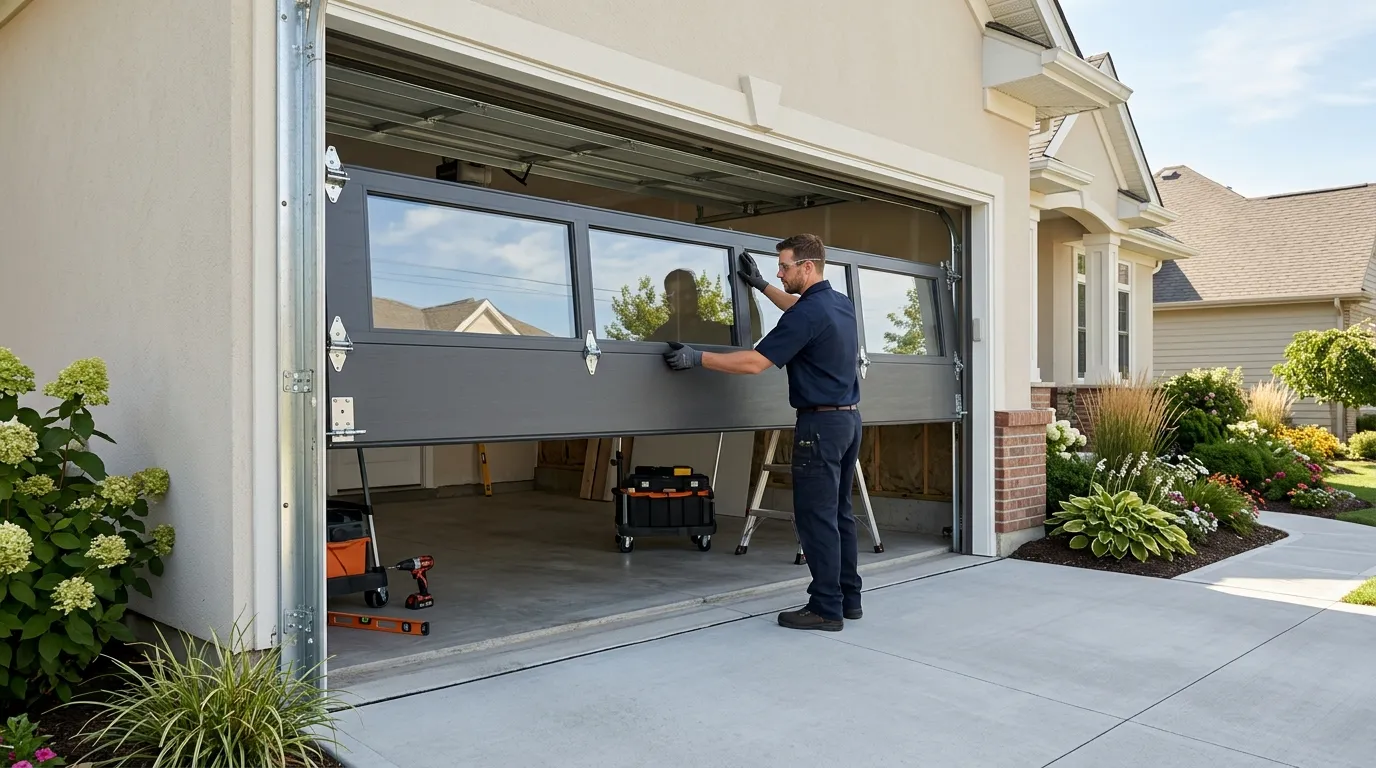
Garage Door Installation
New sectional doors sized and installed for the housing stock actually built in this area.
Learn more →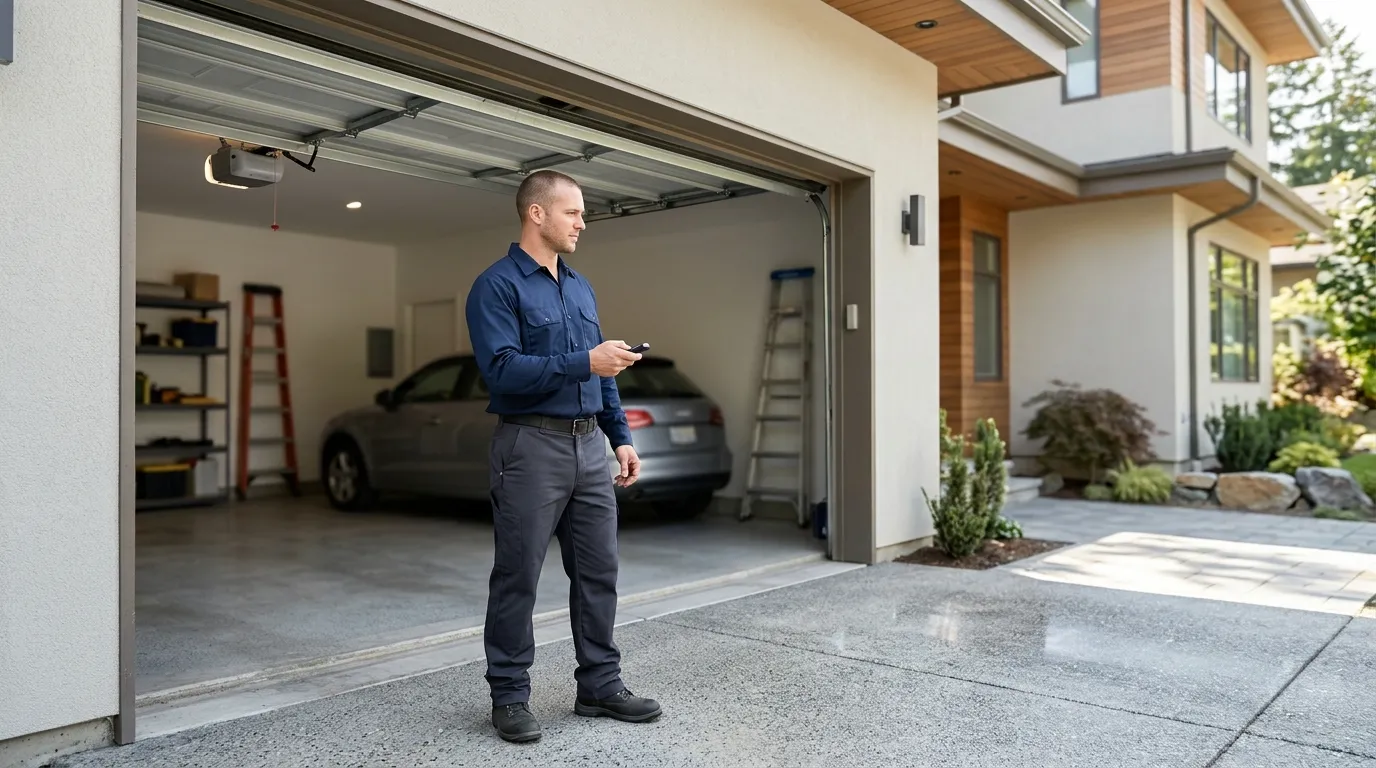
Garage Door Service
Tune-ups, lubrication, and safety checks that catch a small problem before it becomes a service call.
Learn more →Frequently Asked Questions
How do I know if it's the spring or the opener?
Disconnect the opener using the manual release and lift the door by hand. If it feels heavy, uneven, or wants to slam down, the spring is losing tension. If it lifts smoothly by hand but the opener still struggles, the problem is in the opener itself - gears, capacitor, or sensor alignment.
Why did my opener suddenly start reversing before it closes?
Usually a sensor alignment issue or the door hitting resistance partway down, often from a spring that's no longer balancing the door's weight the way it did when the opener was set up. On homes from this area's 2000s-era stock, that combination shows up a lot as openers pass the fifteen-year mark.
Is it ever not worth repairing?
Yes. When a door needs a new spring, new rollers, a track realignment, and an opener rebuild all at once, the labor and parts can approach what a new door and opener would cost installed. We'll tell you when the math points to replacement instead of stacking repairs.
Do you cover areas outside Flower Mound?
We work Flower Mound and nearby communities including Double Oak, Bartonville, Lantana, Copper Canyon, Trophy Club, and Highland Village.
Have a Door That Needs a Second Opinion?
Call and describe what it is doing - we will tell you what it likely is.