
Flower Mound Garage Door Guide
Garage Door Openers and Power Cuts in Flower Mound
Flower Mound openers face real strain from 2000s-era wiring, heat-soaked attics, and outages. Here's what a power cut actually does to your opener and when it's a repair job.
- Licensed & Insured
- Same-Area Service Calls
- Upfront Pricing
When It Stops Being a DIY Job
A power cut that trips your opener isn't automatically a problem you can fix by unplugging it and plugging it back in. If your house is part of the wave built between 1959 and 2014 - and most of Flower Mound is - the opener's age tells you a lot about what a power loss actually does to it.
An outage during a storm can corrupt the logic board's memory on older units, especially chain-drive models from the earlier end of that build range that were never designed with today's surge protection in mind. If the opener runs fine on battery backup but won't relearn its position after power returns, that's a board issue, not a settings issue, and it's past the point where resetting the wall switch fixes anything.
Where it stays a DIY job: the opener loses power, comes back on, and the door just needs its remote reprogrammed or its travel limits reset. That's a five-minute fix with the manual in hand.
Where it stops being one: the motor hums but the door doesn't move, the wall control shows an error code you can't clear, or the door reverses immediately every time. At that point you're troubleshooting a circuit board blind, and guessing wrong can mean replacing a part that was never broken.
What Is Going On
Most openers in Flower Mound went in during the 2000s building boom that produced the bulk of the local housing stock. That means a lot of units are now old enough that their capacitors and logic boards are near the end of their expected service life, whether or not they've ever had a problem before. A brief power cut that a five-year-old opener shrugs off can be the thing that finally kills the board in a fifteen-year-old one.
With homes built anywhere from 1959 to 2014, you've got a real mix on the ground: early chain-drive units bolted to hand-framed rafters in the older pockets, and newer belt-drive models with battery backup built in from the factory in the 2000s-and-later builds. The newer ones are built to ride out a short outage without missing a beat. The older ones weren't, and a hard power cut - not a brownout, an actual off-then-on - can wipe stored travel and force settings that were never meant to be reset by anyone but the installer.
What Local Conditions Do
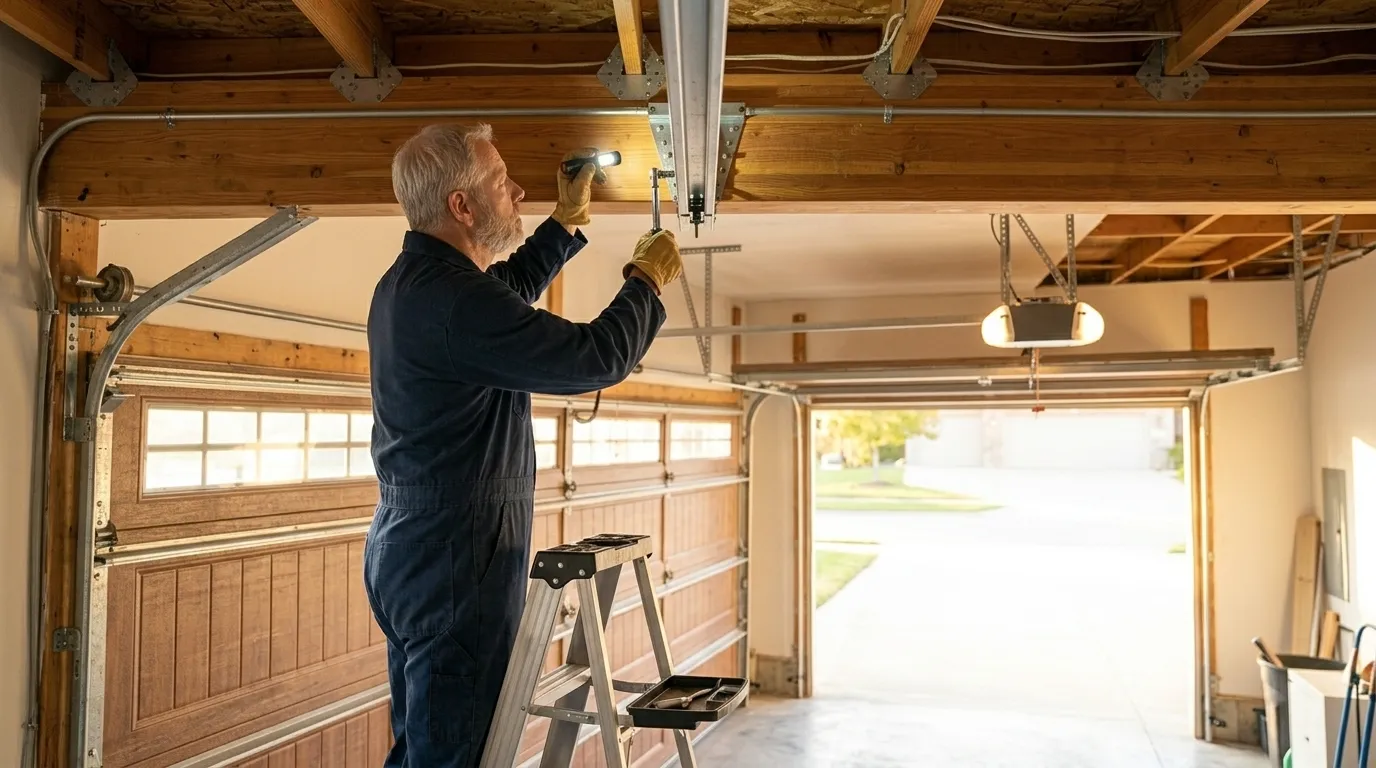
Flower Mound sits in a moderate-heat climate band, which doesn't sound dramatic until you think about what a garage attic does to opener electronics over a full summer. Heat-soaked air pushes capacitors and circuit boards harder than the owner's manual assumes, and that stress adds up faster in an opener that's already fifteen-plus years old. A power cut that a fresh board handles cleanly can be the final failure for one that's spent a decade absorbing summer heat cycles.
This matters more here than it would in a cooler climate, because the failure doesn't usually announce itself. The opener runs fine for months, then a routine outage - a breaker trip, a utility blip - is the event that finally takes it down. If your opener has been running warm to the touch on hot days for a while, that's worth paying attention to before the next outage, not after.
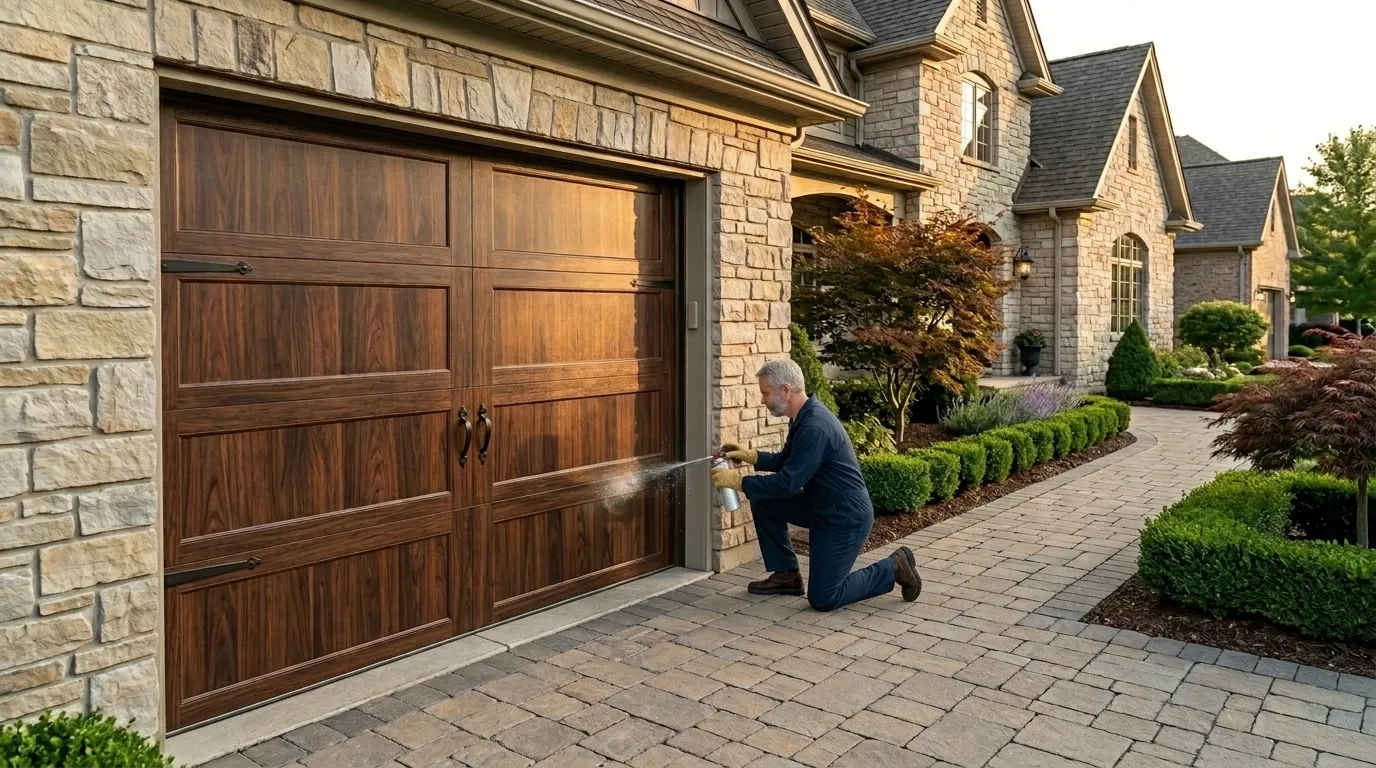
Where People Go Wrong
The most common mistake we see is treating every post-outage opener problem the same way - unplug, wait, plug back in, hope. That works for a genuinely fresh reset. It does nothing for a board that's been quietly degrading in a hot attic for over a decade, and repeating it just delays a repair that was already needed.
The other mistake is assuming replacement is always the answer once an opener acts up after a power cut. It isn't. If the unit is a newer belt-drive model with battery backup, a lot of post-outage issues really are a settings problem, not a hardware failure, and swapping the whole opener over that is wasted money.
I'll be straight about the limit here: I can't diagnose a board issue over the phone or from a description of symptoms. It takes someone standing in your garage with a meter to tell you whether you're looking at a ten-minute reset or a board that needs replacing, and I'd rather tell you that than guess.
How We Can Help
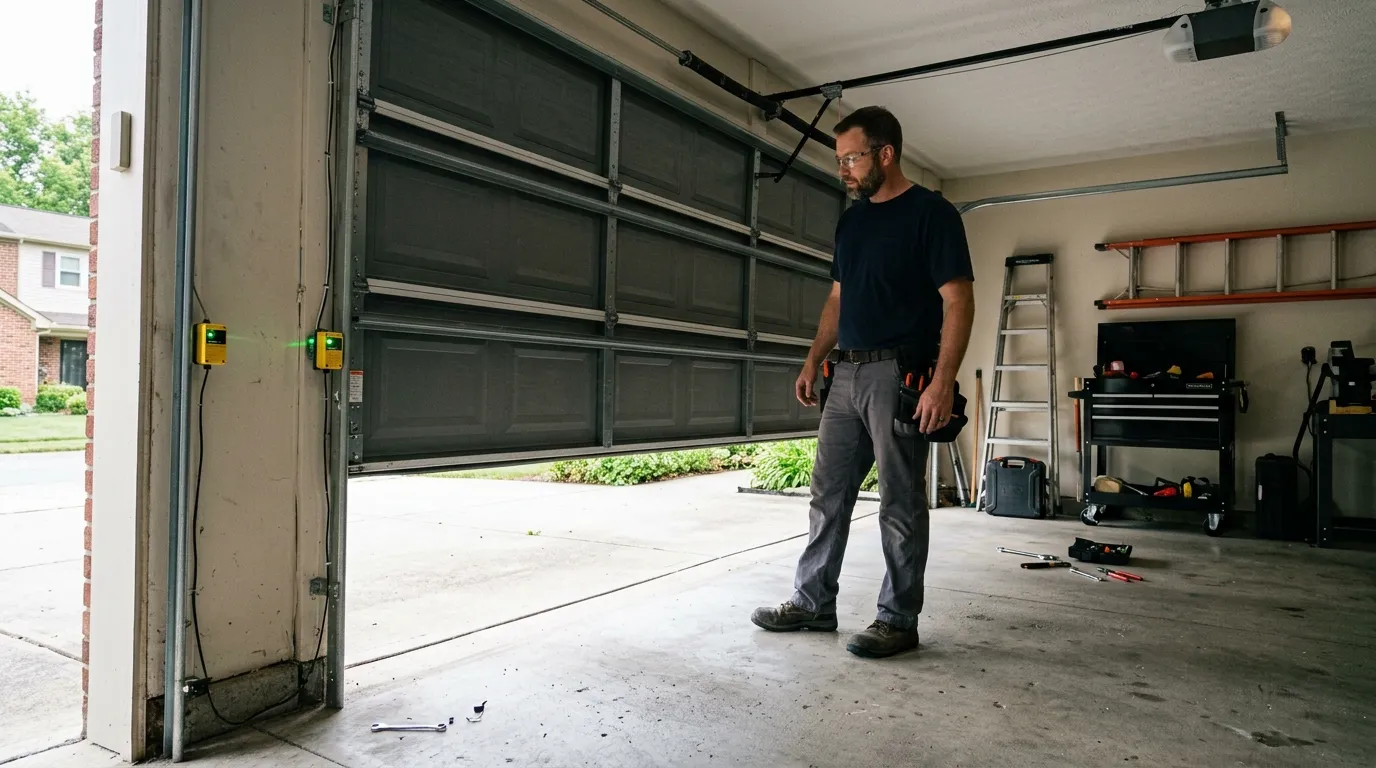
Garage Door Repair
Springs, cables, tracks, rollers, and openers fixed by a tech who explains the problem before touching anything.
Learn more →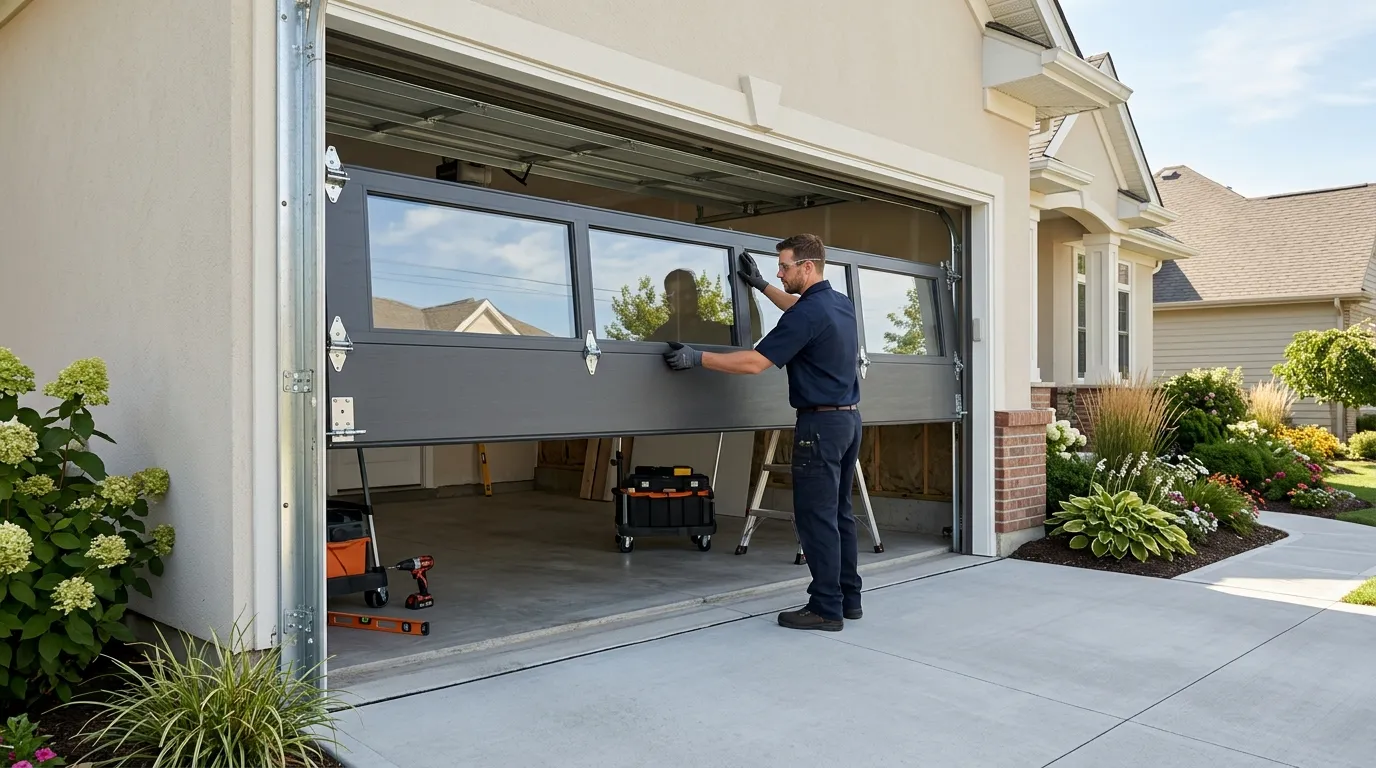
Garage Door Installation
New sectional doors sized and installed for the housing stock actually built in this area.
Learn more →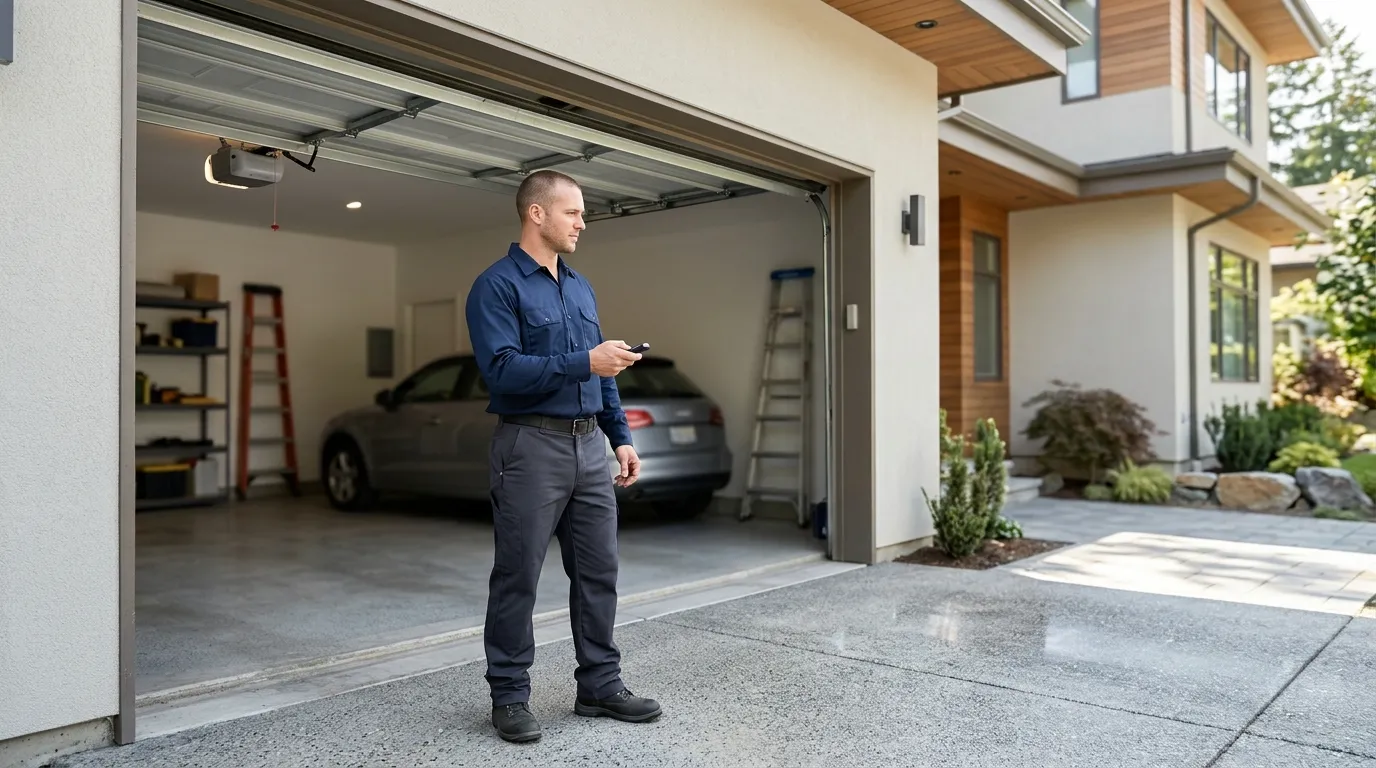
Garage Door Service
Tune-ups, lubrication, and safety checks that catch a small problem before it becomes a service call.
Learn more →Frequently Asked Questions
My opener lost power in a storm and now the door won't respond to the remote. Is that fixable?
Usually, yes. Most of the time this is the opener's memory getting wiped by a hard power cut, and it just needs the remote and travel limits reprogrammed. If the wall control shows an error code or the motor hums without moving the door, that points to a board problem instead, which needs a hands-on look.
Should I add a battery backup if my opener doesn't have one?
If your opener is from the earlier end of Flower Mound's housing stock and never had backup power built in, adding a battery backup unit is a reasonable upgrade, especially since outages here aren't rare. It won't fix a failing board, but it keeps the door usable through a short power cut.
Does the heat here actually shorten opener life?
Flower Mound's moderate-heat climate band puts real stress on opener electronics sitting in an attic over the summer. It's not the only factor, but it's a real one, and it's part of why older openers here tend to show power-cut problems sooner than the manual's stated lifespan would suggest.
Have a Door That Needs a Second Opinion?
Call and describe what it is doing - we will tell you what it likely is.