
Flower Mound Garage Door Guide
Is Your Flower Mound Garage Door Worth Fixing or Replacing?
Flower Mound homes mostly date to the 2000s. Here's how to tell if a spring, opener, or panel repair still makes sense, or if the door's done.
- Licensed & Insured
- Same-Area Service Calls
- Upfront Pricing
When It Stops Being a DIY Job
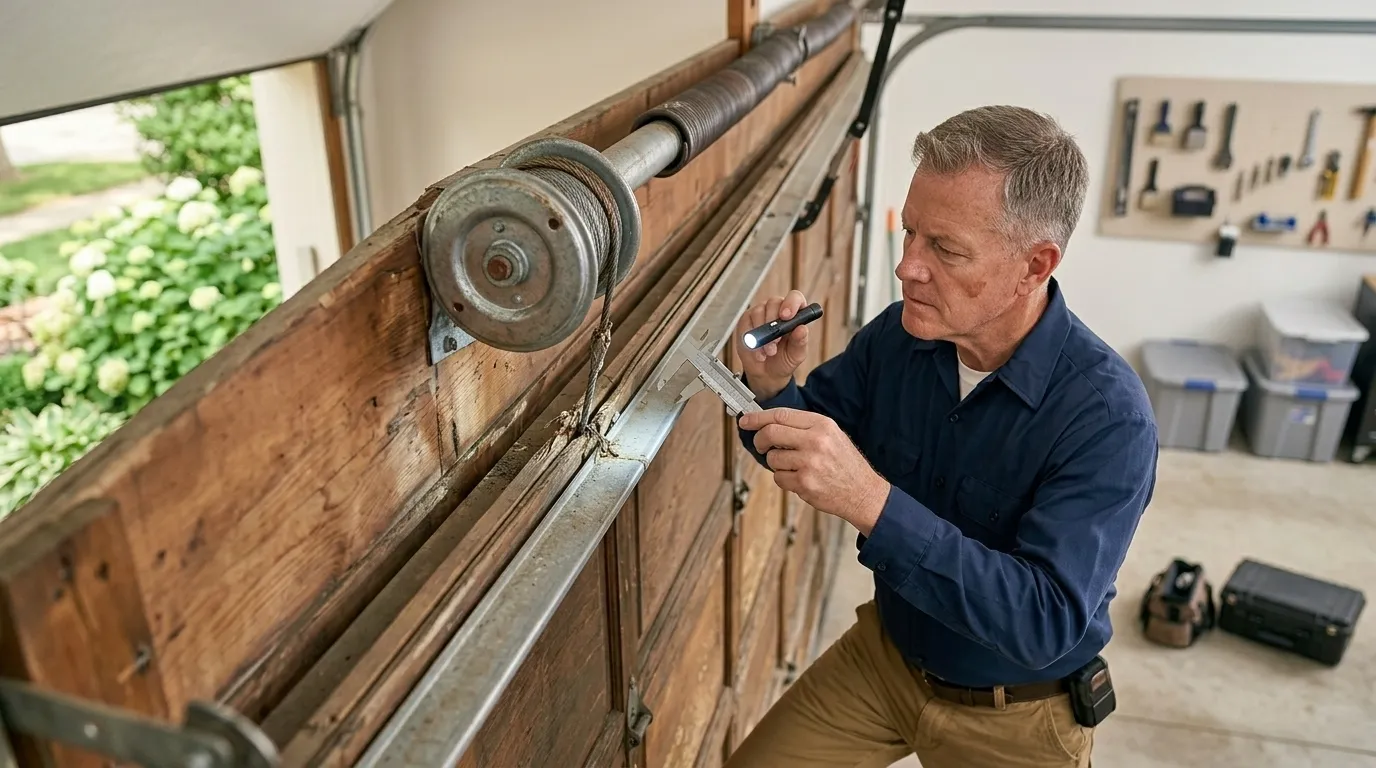
Most houses around here went up between 1959 and 2014, with the median build year sitting right around 2000. That means a lot of the garage doors you're looking at today are original to the house and pushing twenty to twenty-five years old. At that age, a torsion spring isn't a five-minute fix anymore - it's wound tight enough to break a wrist or worse, and the drums, bearing plates, and cable drums on a door that old have usually worn together as a set.
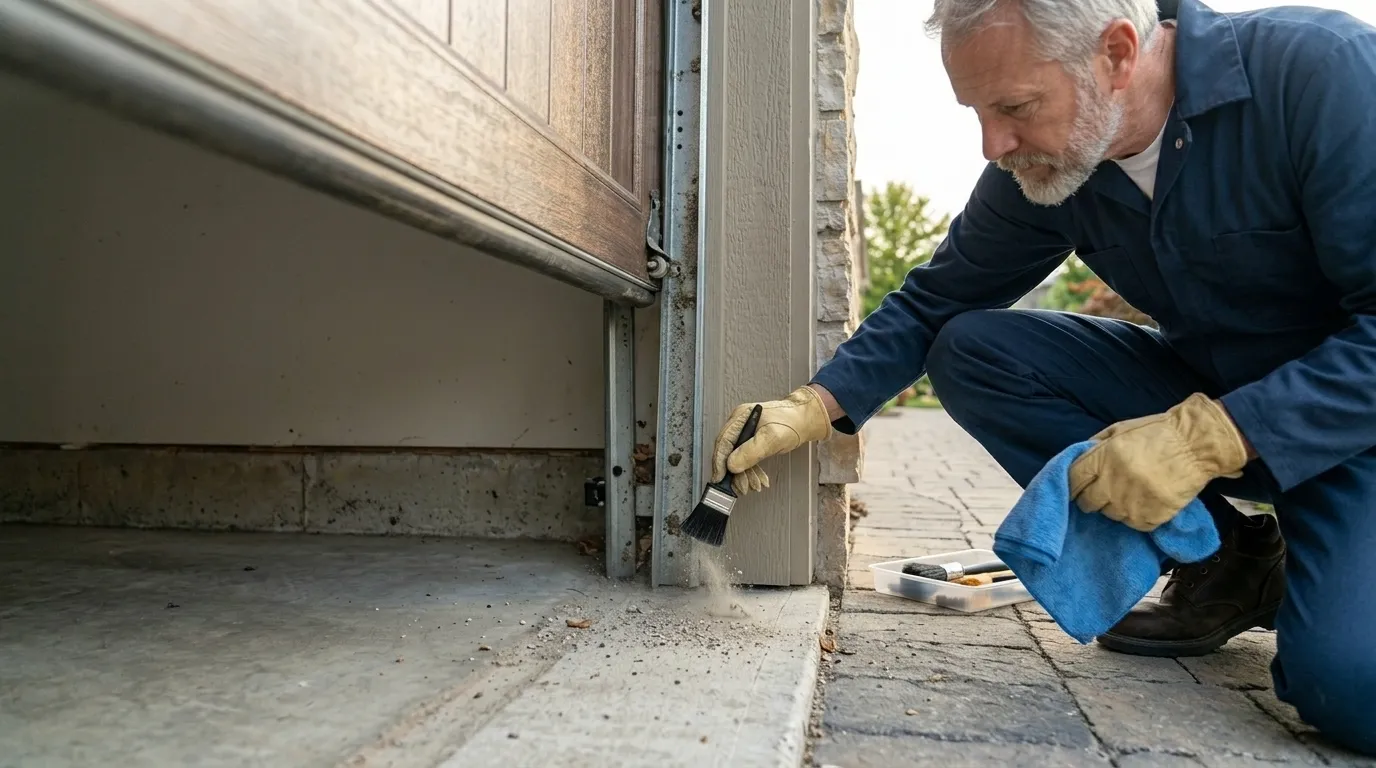
Swapping one part without checking the rest is how a $150 job turns into a $600 one. If the door won't open, won't stay open, or the spring has already let go, that's the line. Lubricating hinges, tightening loose track bolts, replacing a worn weatherseal - that's homeowner work.
Anything involving the spring, the cable, or pulling the opener rail apart is not, no matter how many videos make it look easy. We'll say plainly what we won't do over the phone: guess at a spring size without seeing the door. Get it wrong and you're paying for a second trip.
What Is Going On
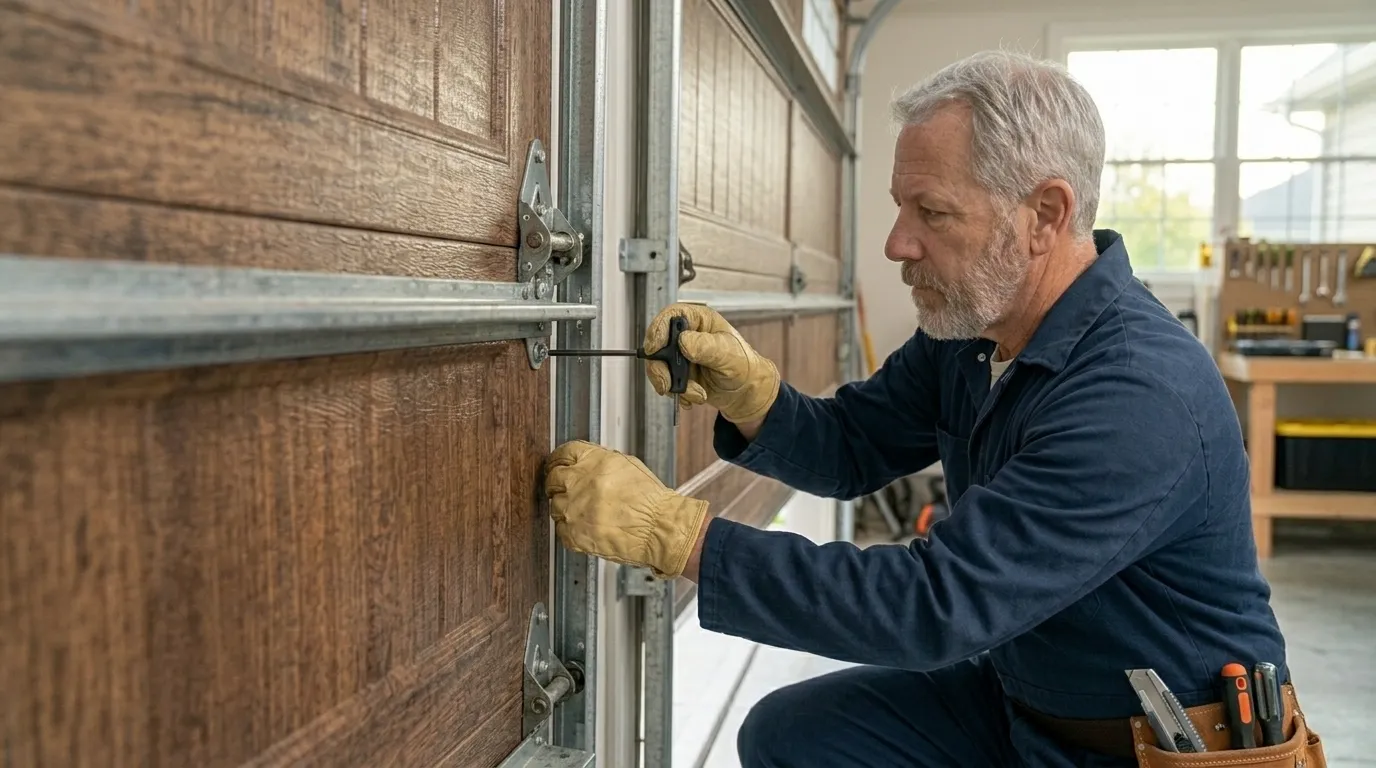
A standard torsion spring is rated for a number of open-close cycles, typically somewhere in the 7-to-10-year range for average household use. Since most doors in this area are original to homes built through the 2000s, a big share of them are hitting or have already passed that mark. What that means in practice: the spring on a door installed when the house was new is often the exact thing failing right now, not because it was installed wrong, but because it's simply used up its rated life.
Rollers wear the same way - nylon rollers on a 20-year-old door are usually cracked or flat-sided even if nobody's noticed the noise creeping in. None of this means the door itself is bad. Steel panels and track from a 2000s-era build usually still have plenty of life if the hardware gets replaced.
The panels are frequently the last thing to fail, not the first, which is why people who replace an entire door because of a broken spring are often replacing the one part that didn't need it.
What Local Conditions Do
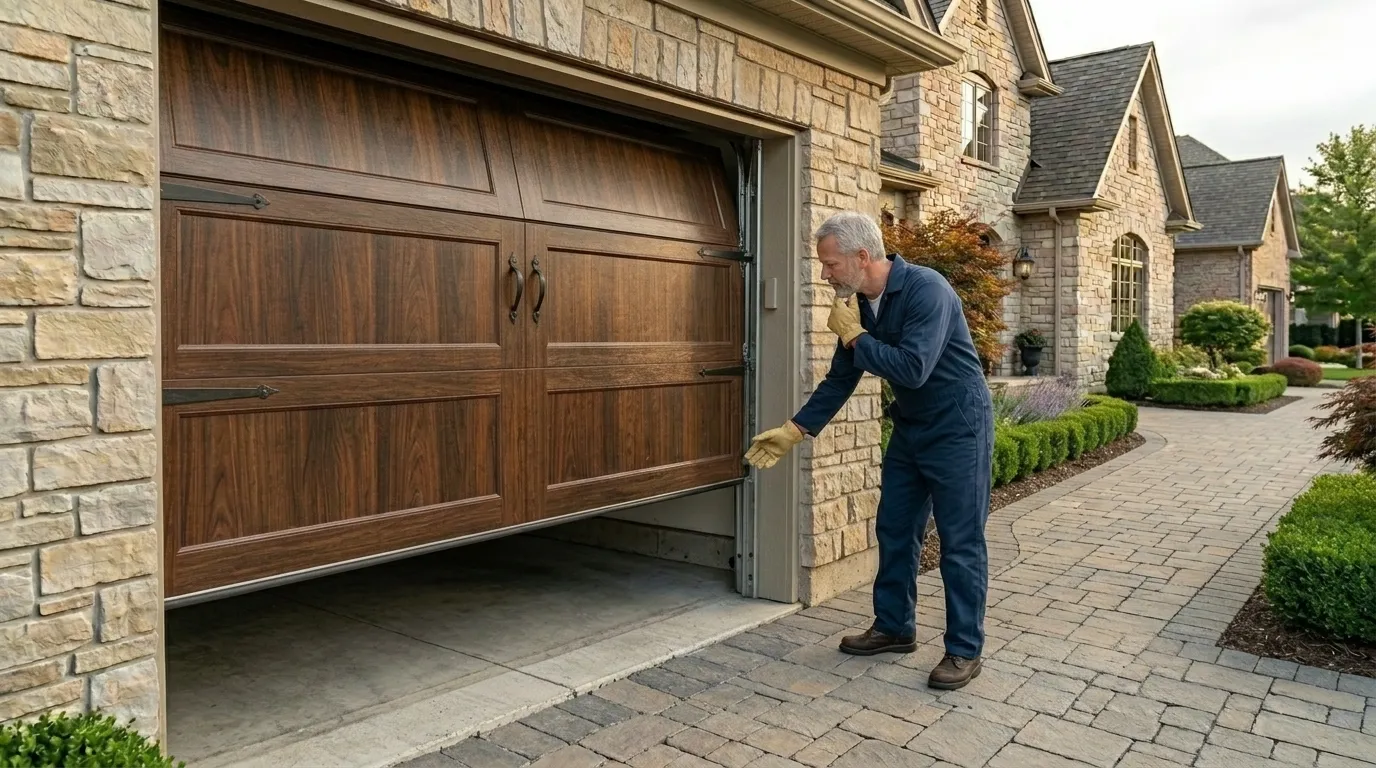
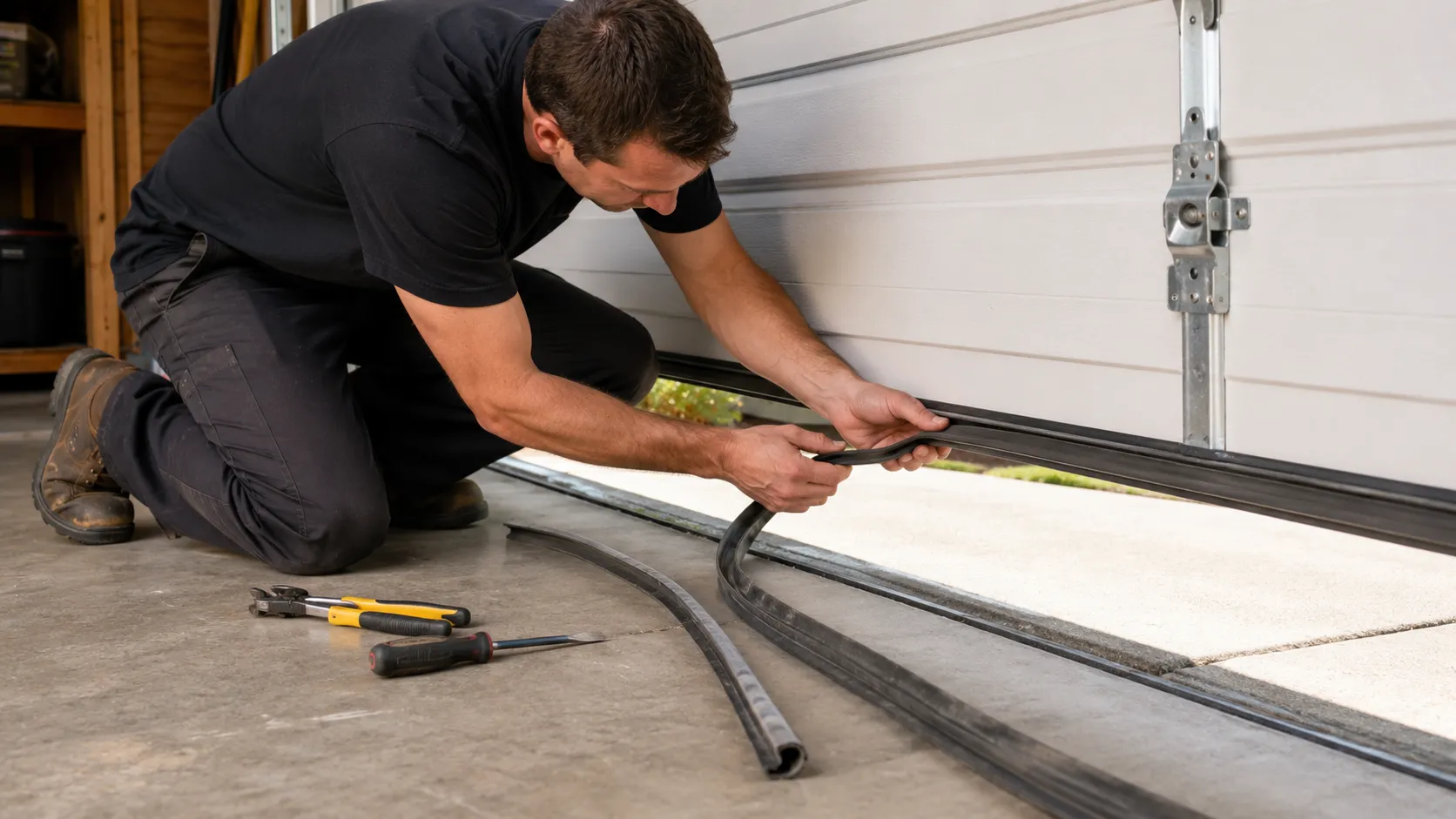
This area sits in a moderate heat climate band, not the extreme end. That's good news and it changes the math slightly compared to places with harsher swings. You're not dealing with the freeze-thaw cracking that ruins seals and warps panels somewhere colder, but summer heat still does its own damage over the years: grease on the track and rollers thins out and runs in the heat, then gums up with dust once it cools, and rubber weatherseal at the bottom of the door dries and cracks faster under sustained heat exposure than in a cooler climate.
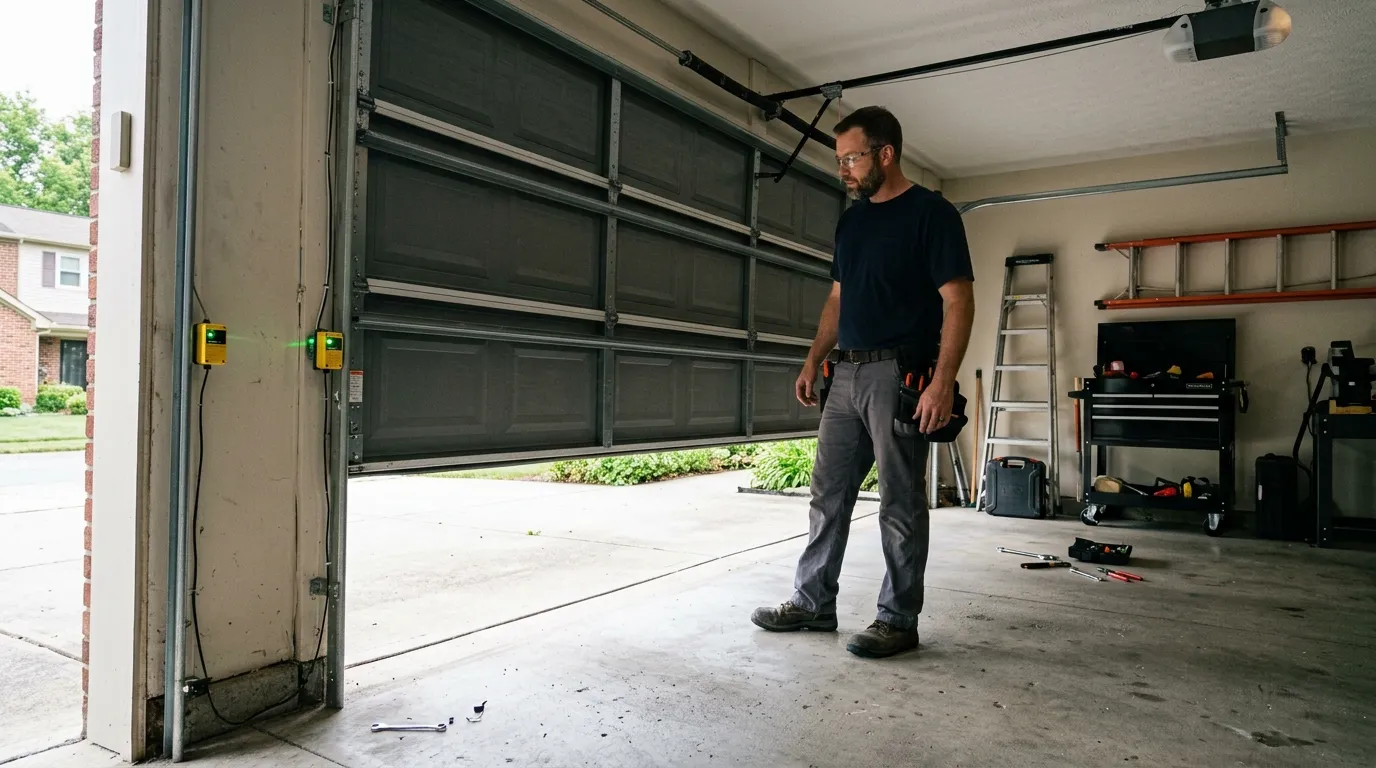
Opener sensors and circuit boards sitting in a hot, closed garage also age faster than the door hardware itself. None of that argues for full replacement on its own - it argues for checking the opener's photo-eye alignment and the seal condition before assuming a spring failure means the whole system is done. Heat wears the soft parts before it touches the steel.
Where People Go Wrong
The most common mistake we see is treating the door and the opener as one unit when they're not. A door built in the 2000s with a straightforward torsion setup very often still has good track and panels, but an opener from the same install is a mechanical device with a motor, gears, and a circuit board - it fails on its own timeline, often sooner than the door. Replacing the whole door because the opener started grinding, or replacing the opener because a spring finally let go, wastes money either way.
The other mistake is skipping the balance check. If a door feels heavy or drifts down on its own once the opener is disconnected, that's a spring or cable problem, not something a new opener motor will fix, no matter how strong it is. Given how much of the housing stock here is the same age and vintage, we see the same handful of failure patterns repeat house to house - which makes diagnosing it over the phone unreliable and diagnosing it in person quick.
How We Can Help
Garage Door Repair
Springs, cables, tracks, rollers, and openers fixed by a tech who explains the problem before touching anything.
Learn more →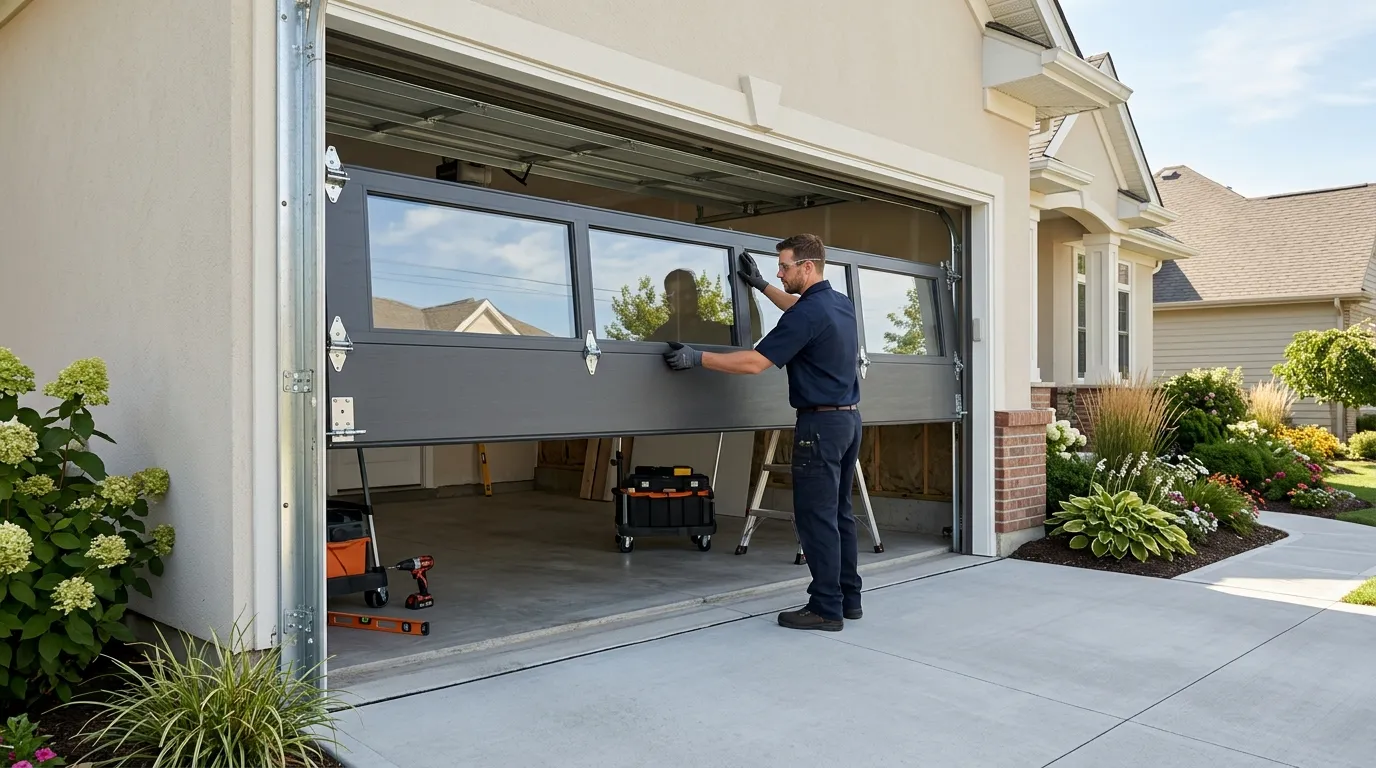
Garage Door Installation
New sectional doors sized and installed for the housing stock actually built in this area.
Learn more →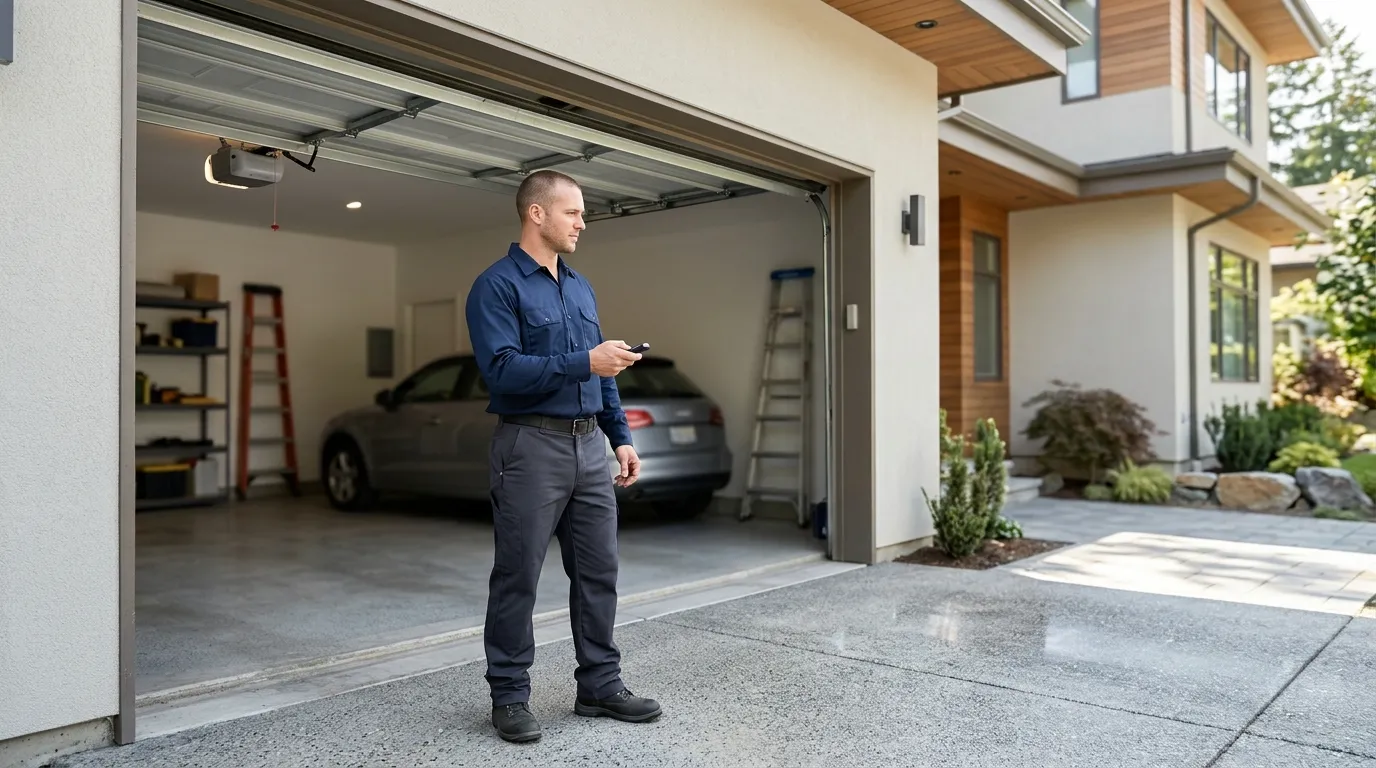
Garage Door Service
Tune-ups, lubrication, and safety checks that catch a small problem before it becomes a service call.
Learn more →Frequently Asked Questions
My garage door is loud but still opens fine. Do I need to replace it?
Not necessarily. Noise on a door from the 2000s-era stock common in this area is almost always worn rollers, dry hinges, or a track needing alignment. None of those require a new door. Get the noise diagnosed before assuming the whole unit is failing - most of the time it's a parts fix, not a replacement job.
How do I know if it's the spring or the opener?
Disconnect the opener using the release cord and try lifting the door by hand. If it's heavy, won't stay up, or drops on its own, that's the spring or cables, not the opener. If it lifts easily and stays put, the opener itself is the problem.
Is it worth fixing a door instead of replacing it?
For most homes built through the 2000s in this area, yes - the steel panels and track usually outlast the springs, rollers, and opener parts, which fail first. Replacement makes more sense when the panels themselves are rusted, dented badly, or off track repeatedly, not just because one part broke.
Have a Door That Needs a Second Opinion?
Call and describe what it is doing - we will tell you what it likely is.